Why a sobbing oak is more memorable than a tall one
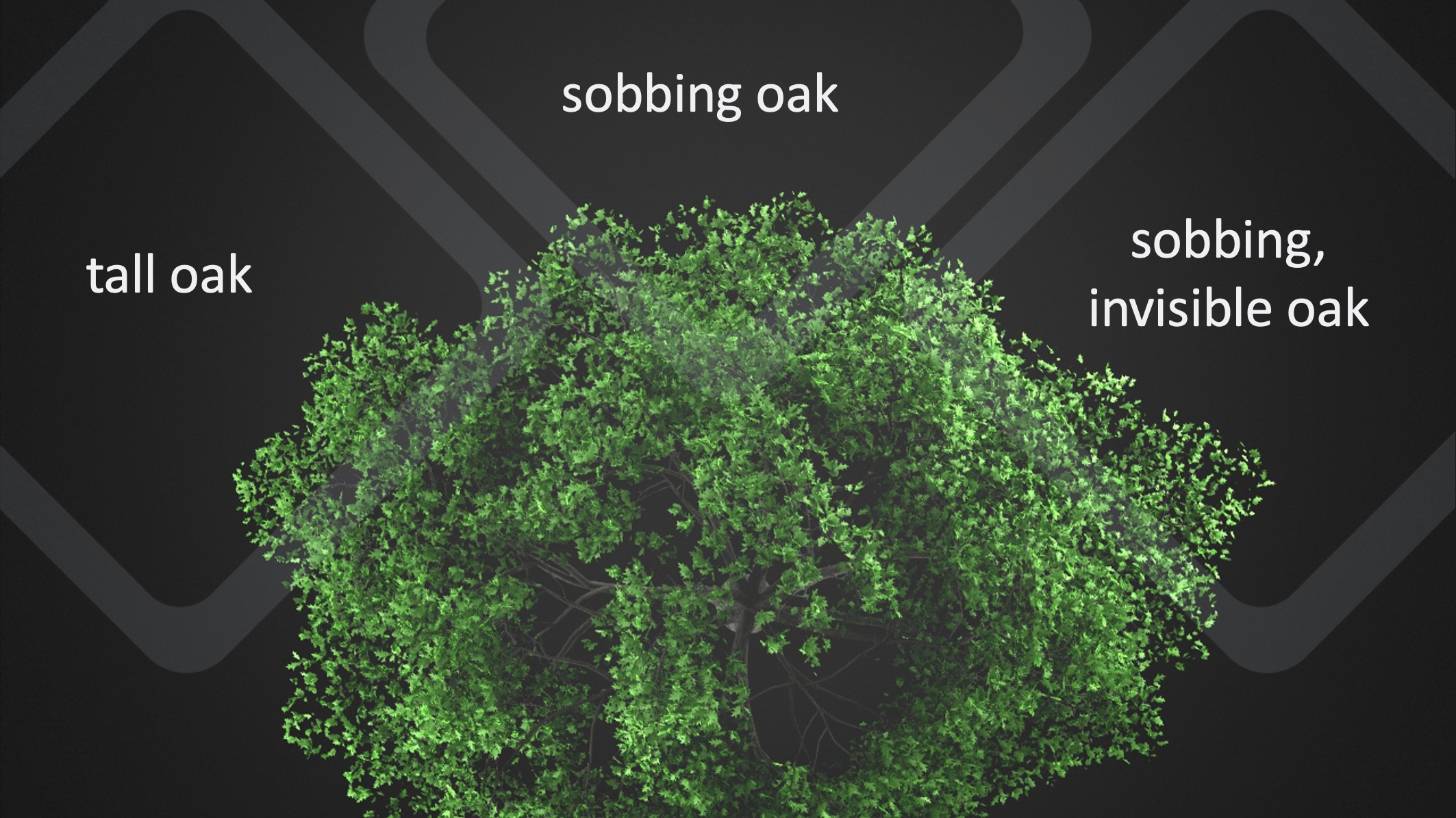
In cognitive science, researchers have been fascinated by how the brain reacts when expectations are slightly violated. Anthropologist Justin Barrett and other scientists studying the brain's reaction to counterintuitive concepts are finding something interesting when people read phrases like the ones you see in the slide below. A "tall oak" fits our expectations perfectly. It is intuitive (and quickly forgotten). A "sobbing oak" violates just one assumption in the plant category: trees don't cry, but everything else stays coherent in our minds, picturing something tall, standing in a forest, with something strange happenign. This small violation creates a prediction error in the brain, which increases attention and makes the phrase more memorable.
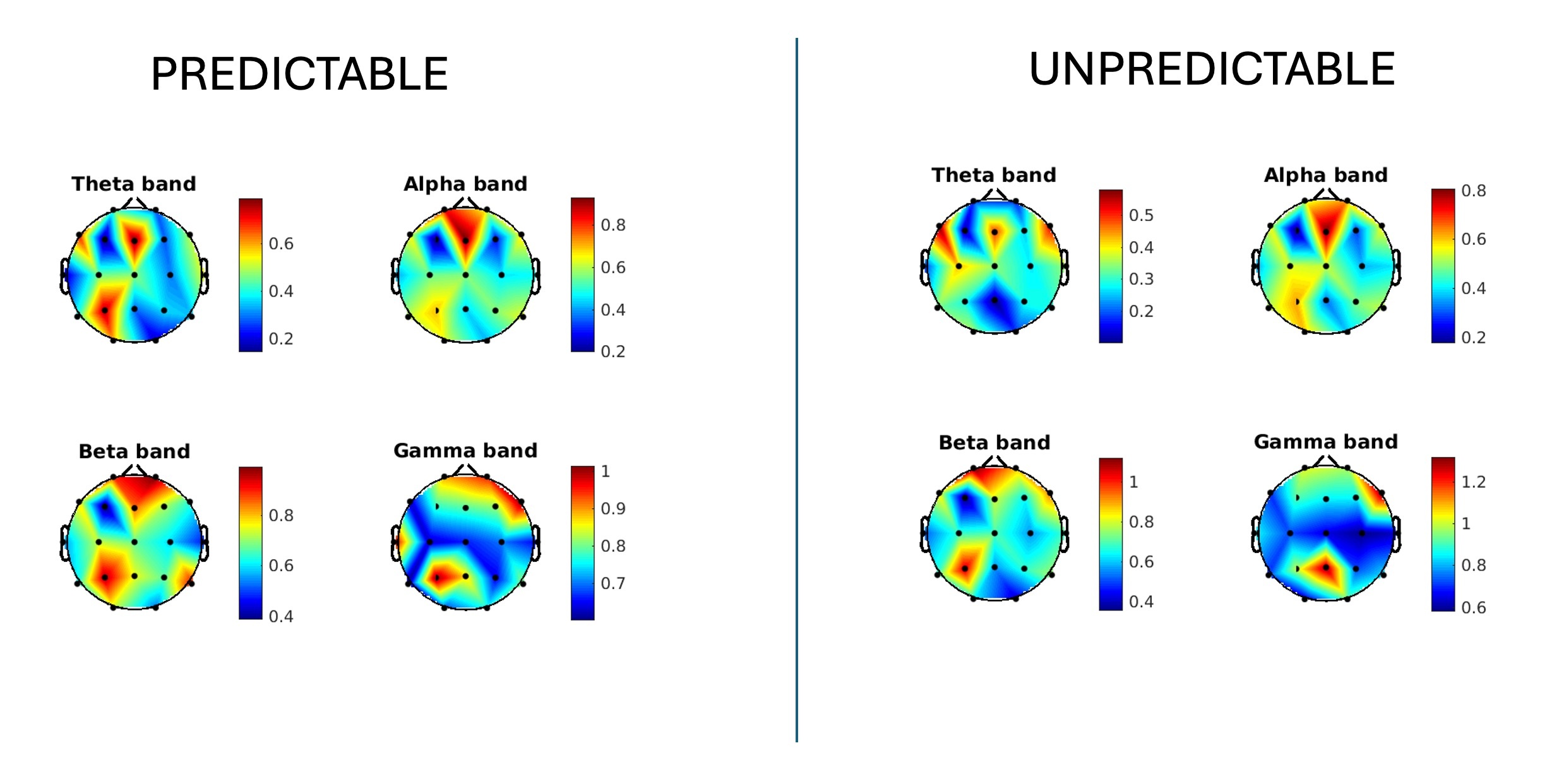
But a "sobbing, invisible oak" violates too many expectations: plants are not emotional and physical objects are visible. So, the brain struggles to build a coherent image, which then impacts memory negatively. This pattern is supported by language experiments from Farmer et al. (2006) and Dikker et al. (2010), showing that the brain constantly predicts what it expects to see, even before words fully appear. In fact, brain imaging shows that when expectations about a word are violated, the brain reacts in about 100 milliseconds, and this type of timing is associated with early visual perception. For comparison, the well-known brain response linked to understanding meaning (the N400) usually appears around 400 milliseconds, which suggests that the brain is actively predicting what it expects to see next, and those linguistic expectations influence the visual system almost immediately.
The guideline for business communication: some of the most memorable ideas are not completely new; they are almost familiar, with a small twist. For instance, a headline like "improve your productivity" is predictable. One that says, "your calendar might be your biggest distraction" is minimally counterintuitive (sweet spot). And "your calendar is a crying invisible oak" pushes the linguistic violation too far.