I was just reading a research paper where the author made the case that beauty can backfire after purchase, meaning that people may use beautiful things less and enjoy them less when they do use them, because beauty triggers (a) “someone worked hard on this” effort inferences and (b) visible “beauty loss” once the item is used. For example, in one instance, participants ate a cupcake with either plain (smooth frosting) or more aesthetic (rose-shaped frosting) frosting. Hungry people (who normally eat more) ate less of the prettier cupcake and reported less enjoyment when it was the more aesthetic one. In another scenario in which someone spilled coffee and needed napkins, people were less willing to use the floral (more aesthetic) napkins than the plain ones. But... When participants were told that the more aesthetic napkin actually took less effort to manufacture (blue napkins vs bleached white), they were more likely to choose the aesthetic option.
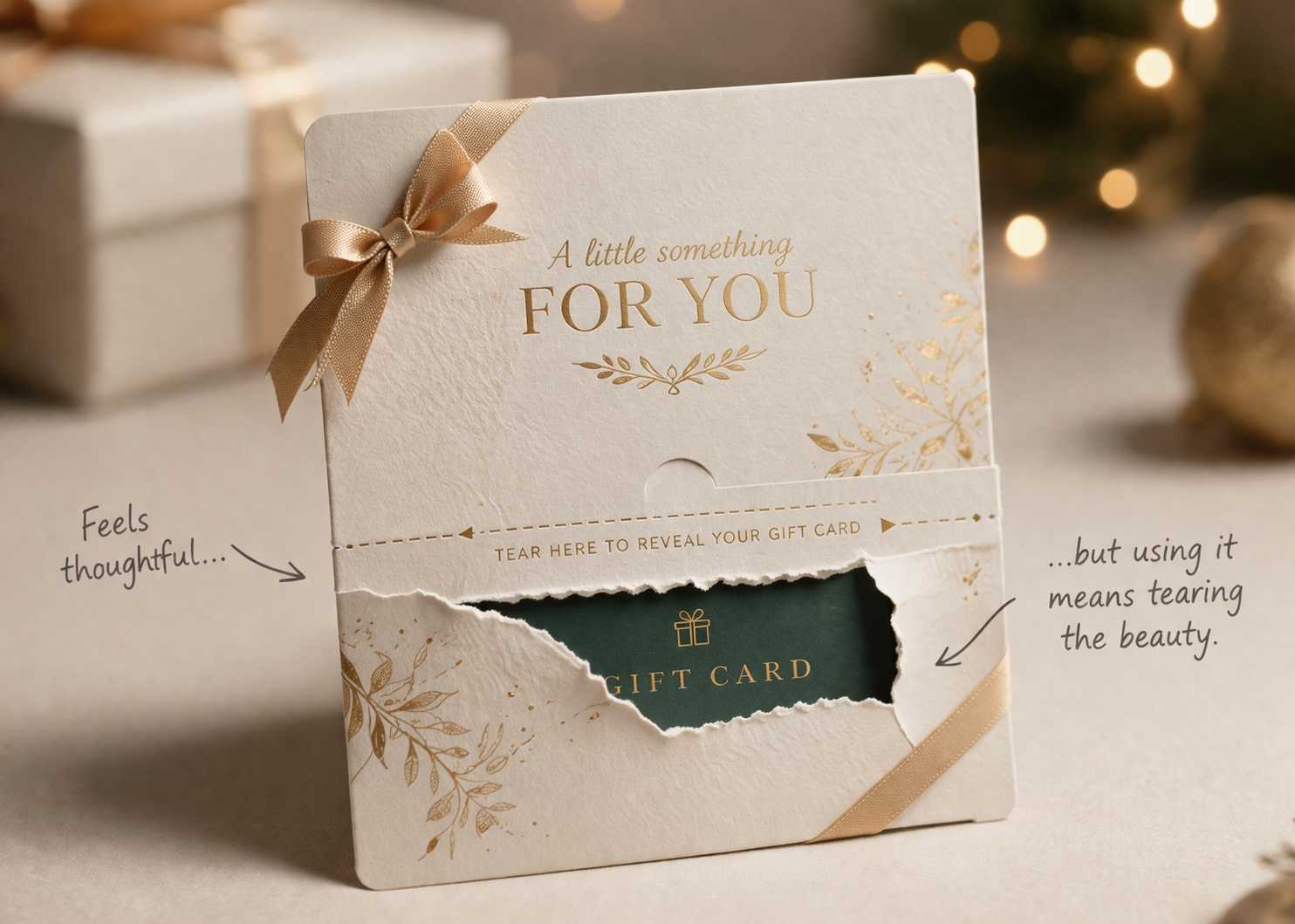
The author also ran a field study at the bookstore. Customers received a $5 gift card in either attractive or plain packaging, but in both cases, they had to tear open a perforated edge to use it. Redemption was lower for the prettier packaging (about 14% vs. 25% after two weeks).
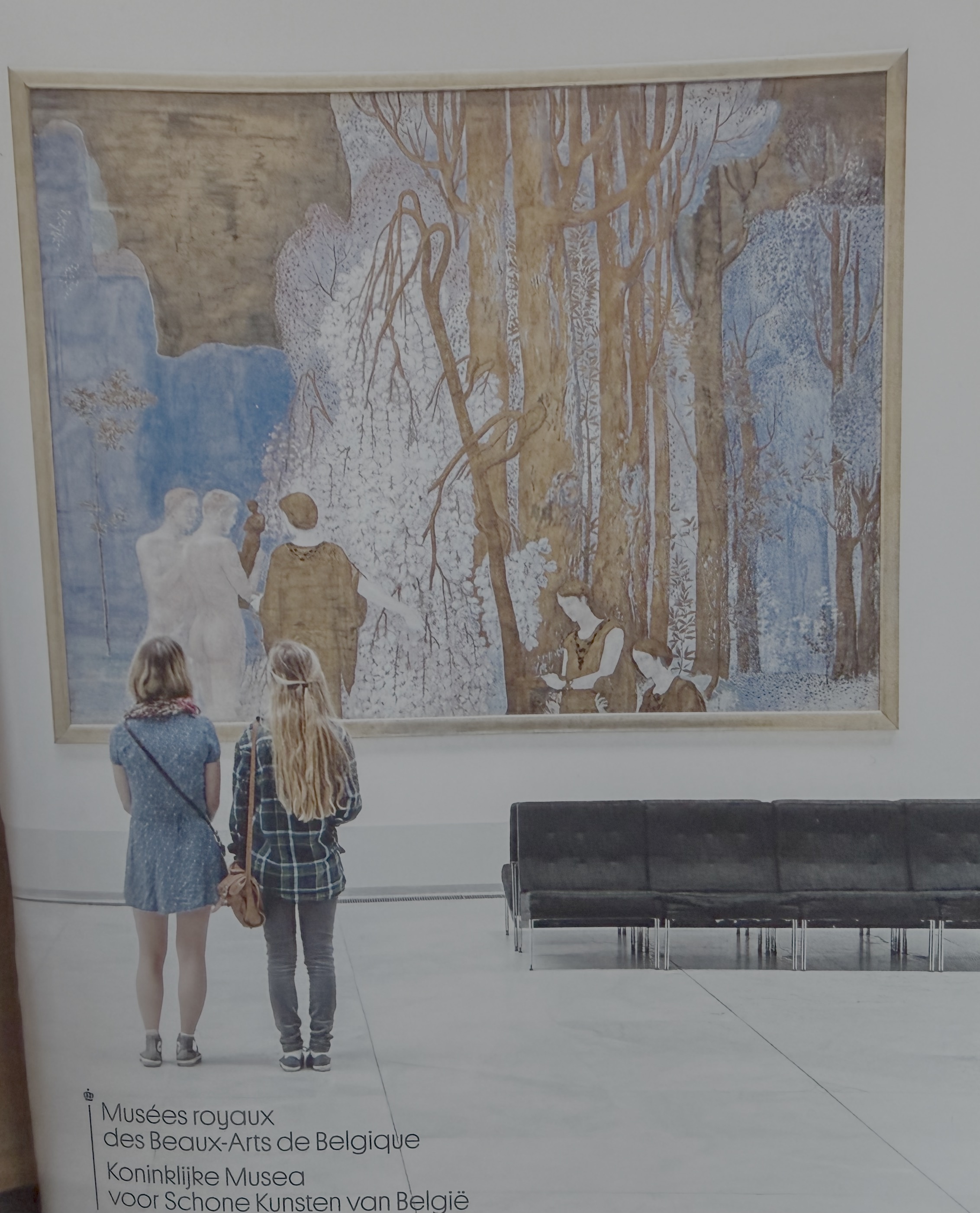
I was intrigued by this because when we design content for business clients (often to use in neuroscience research), we aim for high quality and aesthetics. But according to these findings, there needs to be an aesthetic threshold, because ultra-polished content (for example, high-quality slides) may feel too much like a museum, and people (for example, sellers) may not want to use it. If you’re in a similar situation, consider balancing the high design with moments where people feel they can mark things live and improvise. In other words, ask the question: Is what I am creating for others almost too pretty to use?