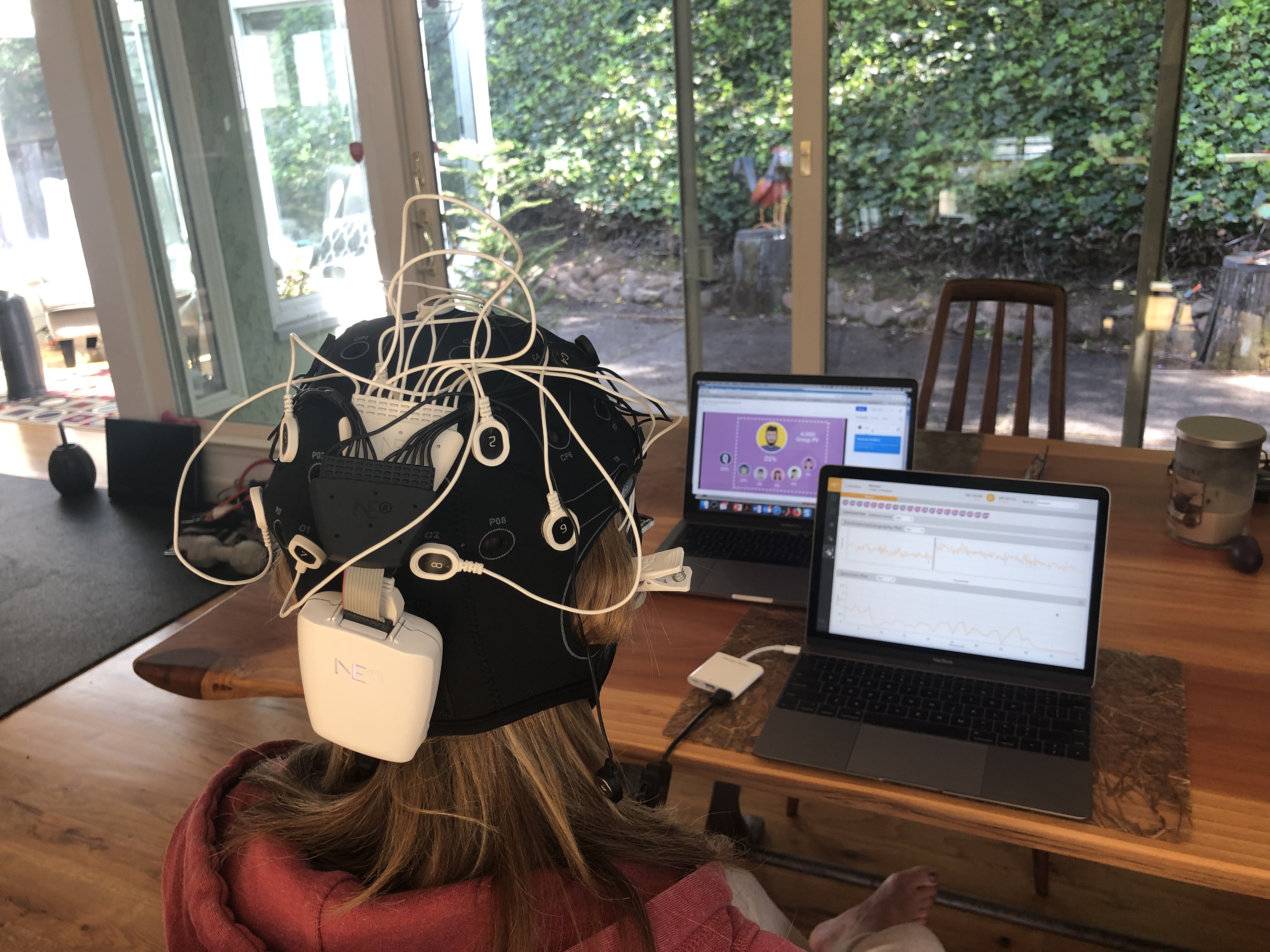
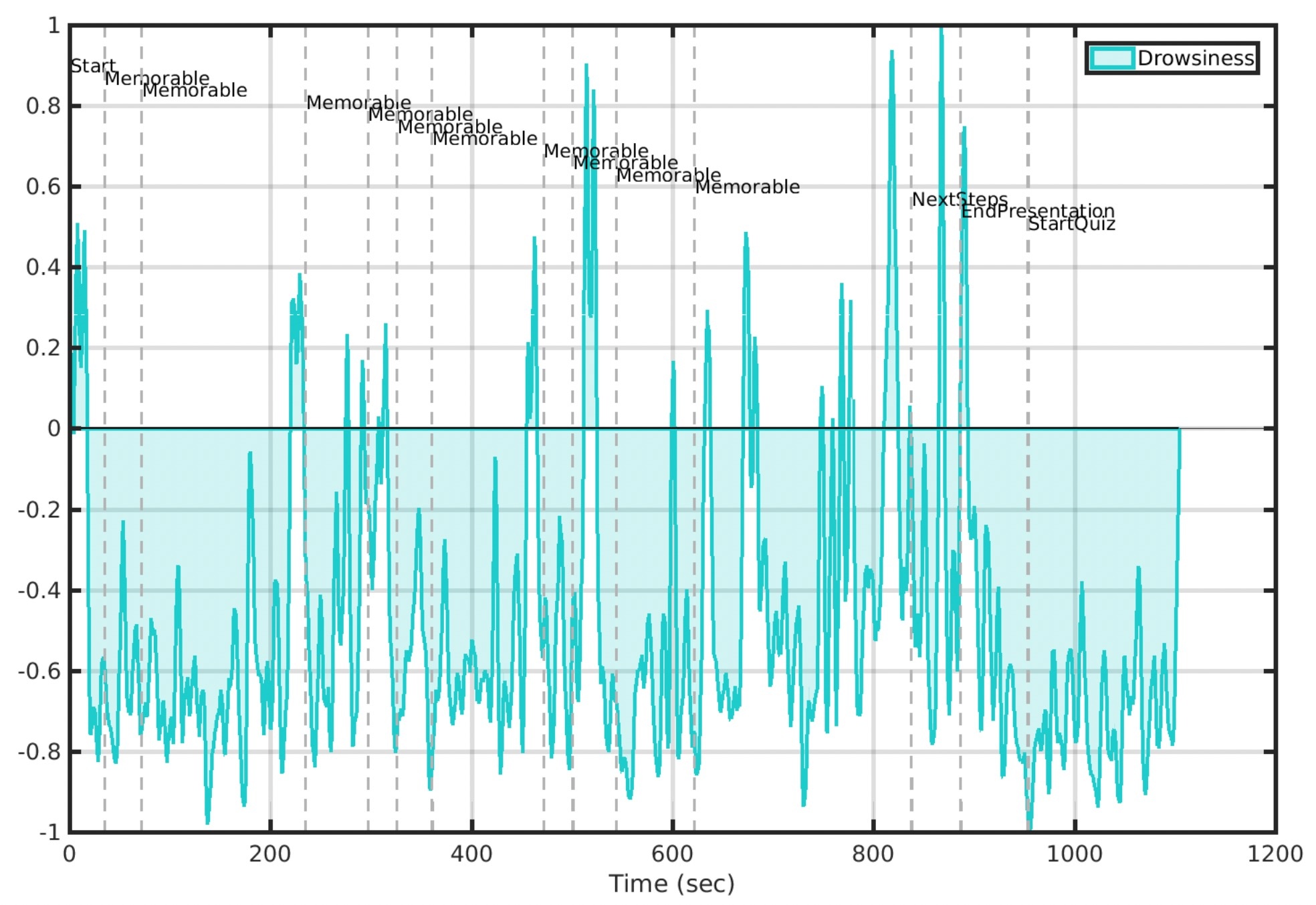
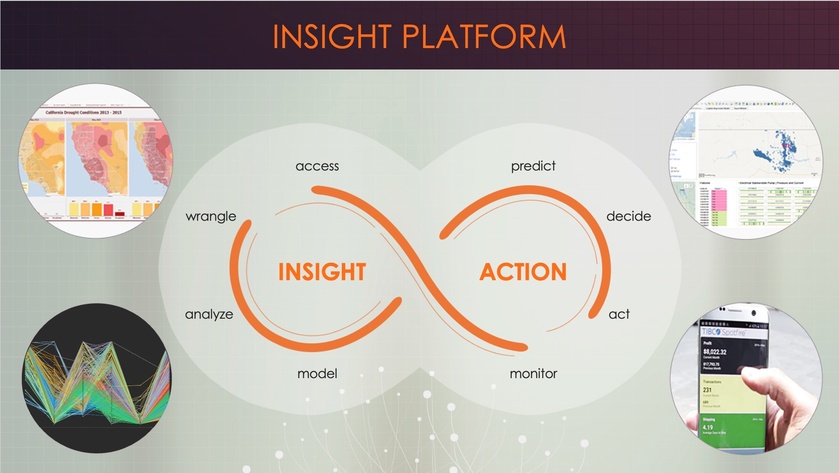
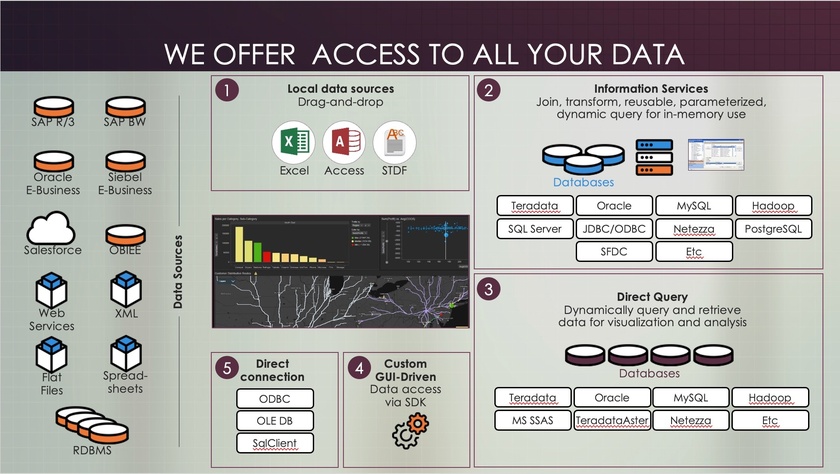
Here is a participant from one of my neuroscience study where I was observing what happens in the brain when people watch corporate videos intended to get their attention and inform them of a new product or process. Many of these videos are created with animated shapes, text, and an upbeat music track. The intuition (or well-known wisdom) is that animation or movement in these types of videos gets attention, and that is correct. But are these videos also memorable? To transform that attention into memory, you don't need movement for movement's sake, you need intention or causality.
You might remember the classic 1944 experiment, where psychologists Fritz Heider and Marianne Simmel showed people a silent animation featuring two triangles and a circle. There were no faces, voices, or words, yet 33 of the 34 participants described the shapes as if they were intentional beings (they pictured them being in pursuit of something, or trying to escape or bully or protect each other...search for the video on YouTube, you will see what I mean). The experiment exposed the fact that we rarely experience movement as neutral, we associate it with cause and effect. Unfortunately, animated videos in corporate contexts neglect this ability, showing circles that bounce, icons that fly, and words that swoop onto the screen, but nothing pursues a goal or overcomes an obstacle. The eyes follow the movement (we can see it on the eye tracker), but the mind has little to interpret.
One way to get around this is to animate verbs, not nouns. For example, instead of just showing icons and labels moving on the screen and being associated with generic themes like innovation or transformation, show how someone is searching for something, choosing, or progressing along a path, causing something to happen. You know you will do it well if you turn off the words and the music: can your viewers tell what changed and why?