The first noun is usually a trap
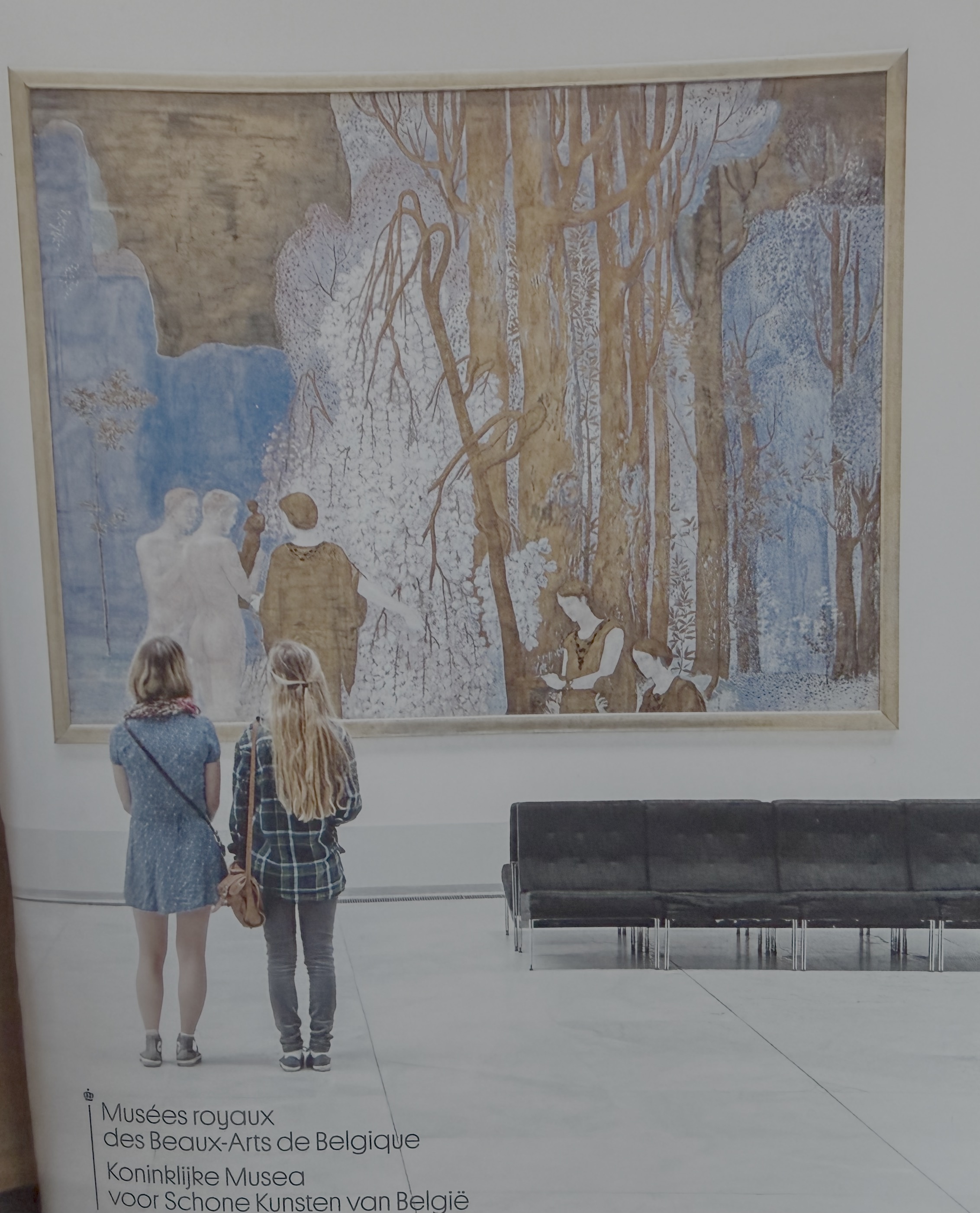
I found this picture in a book on design thinking, the field that addresses how to use technology and a business outlook to solve problems by putting people at the center. It was associated with an exercise that prompted the reader to ask: “What does she need right now?” And then, it cautioned us to go beyond this question, because the answer is typically a noun (in this case, it’s most likely a ladder). Instead, the advice was to fill in the blank with a verb: “she needs to ______.” In this case, it might be: she needs to reach, choose, explore, feel capable, prove she can get there herself....While the noun feels concrete, the verb creates more movement and more alternatives. After all, a ladder gives us one category, but “she needs to reach” gives us ten possibilities, and with them, more chances to encode memories.
So, if you’re tasked with creating and delivering solutions for your audiences, consider these 4 steps:
Step 1: Name the visible noun (What does the audience need? In this case, the obvious answer is a ladder or a lower shelf. In other situations, it may be a deck, a workshop, a proposal).
Step 2: Replace it with a verb. (What is the audience trying to do? In this case, it could be: reach, explore, retrieve, learn, prove, choose).
Step 3: Add the emotional verb. (What is she trying to feel? In this case, perhaps it is capable, trusted, independent, or clever).
Step 4: Design for the deeper verb. Since the ladder is not necessarily the only option anymore, the messaging and design possibilities are more abundant.