Increase the intensity of your content
Business audiences enjoy a lot of stimulating content in their off-work time, and TV networks and social media outlets know how to indulge their content cravings. When these business audiences return to work, however, they may face a different reality, viewing content that lacks the quality and stimulating nature of a TV show or social media app. So it’s no wonder that they find it easy to disengage and forget business content. One way to close this gap is for business communicators to amp up the quality and intensity of the content they offer.
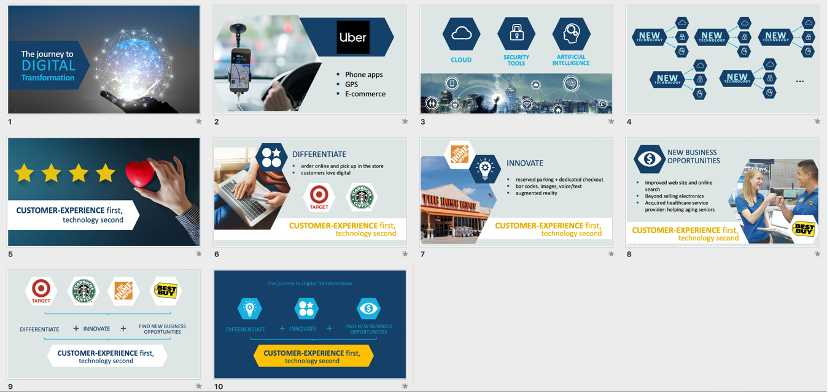
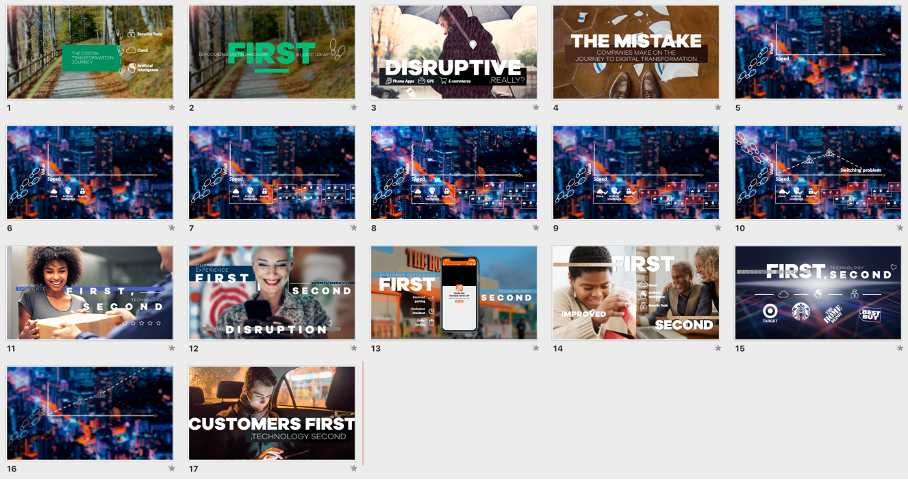
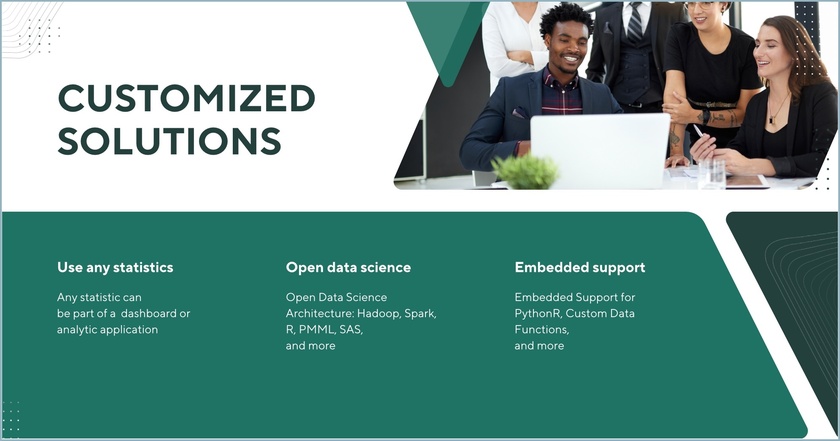
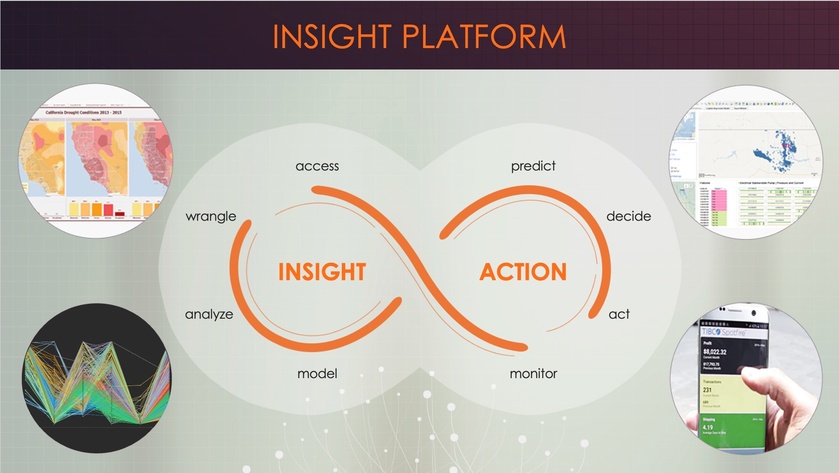
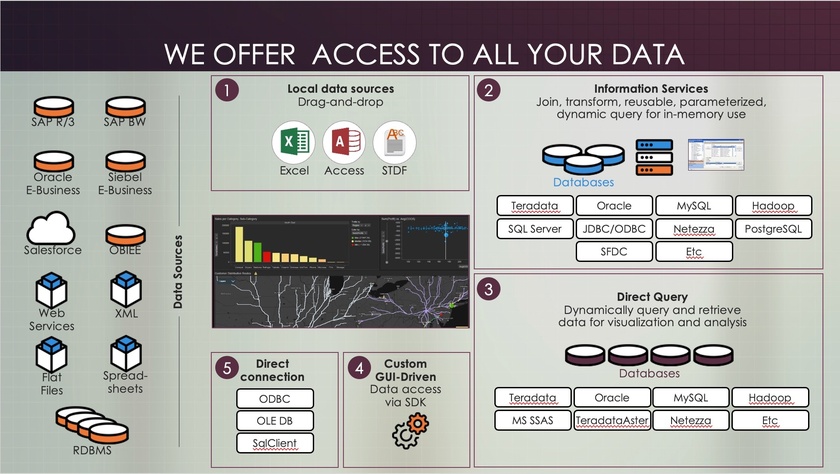
In business presentations for instance, there are several ways to make slides compete with consumer media: add more animation in each slide, deliver more slides in a shorter amount of time, and increase design quality. In the research project I conducted below, I aimed to apply these criteria in presentation B (see second screenshot). Presentation A was the "typical" content that businesses create: clean, polished, but not very intense in terms of animation, quality, and quantity of slides. I also wanted to debunk the myth that fewer slides mean a better and more memorable experience. Both presentations had the same length in time, contained the same amount of words, and had the same script and voice-over. In presentation B, each slide had anywhere from 7 to 40+ animations per slide, done in a tasteful way (not in a cheesy, text-jumping kind of way).
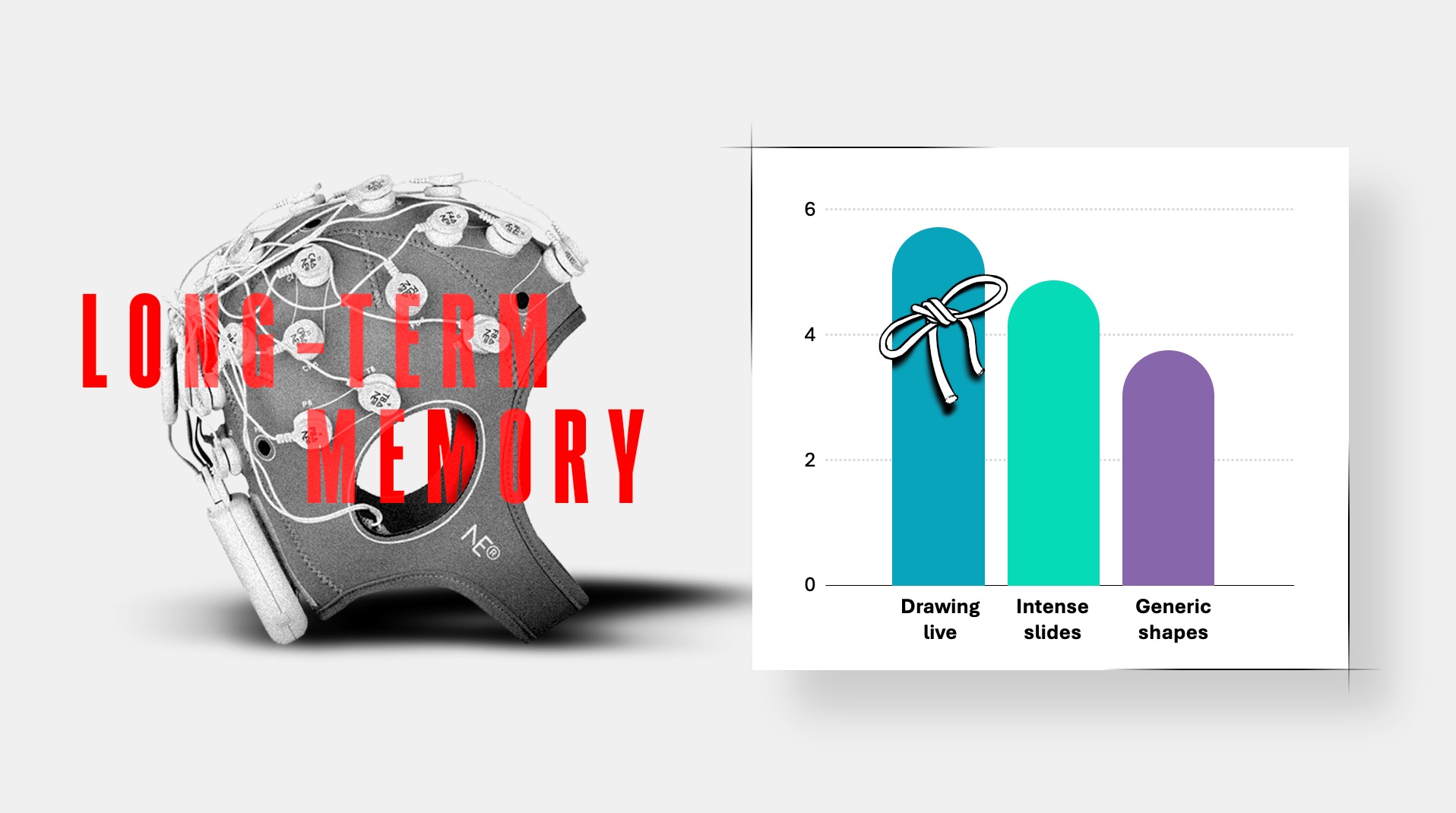
Each presentation included 20 concepts. Participants in Group A remembered on average 3.6 concepts (18%) and those in Group B remembered 4.8 concepts (24%) (U = 167, z = -4.34, p < .001). Practical insight: Animations and slide quality impact long-term memory. Consider using them in presentations where it is important for audiences to remember your content after 48 hours.
It is important to note that some participants who watched Presentation A remembered 0 slides. In Group B, all people remembered something, even if it was one concept or one slide. Practical insight: When there is more intense stimulation, something is more likely to stick. It’s one thing to be in a situation where customers remember very little. It’s another when they remember zero. Repetition, elaboration, animations, and slide count can help avoid scratching slides out of memory.
It is also interesting to note that two days after viewing the presentations, people who watched presentation B remembered more concepts when they had five or more years of experience related to the topic at hand (in this case, it was about digital transformation), (t(5.80) = -3.43, p = .015). Practical insight: This is a confirmation that it takes knowledge to remember knowledge.