What is a shoe doing up there?
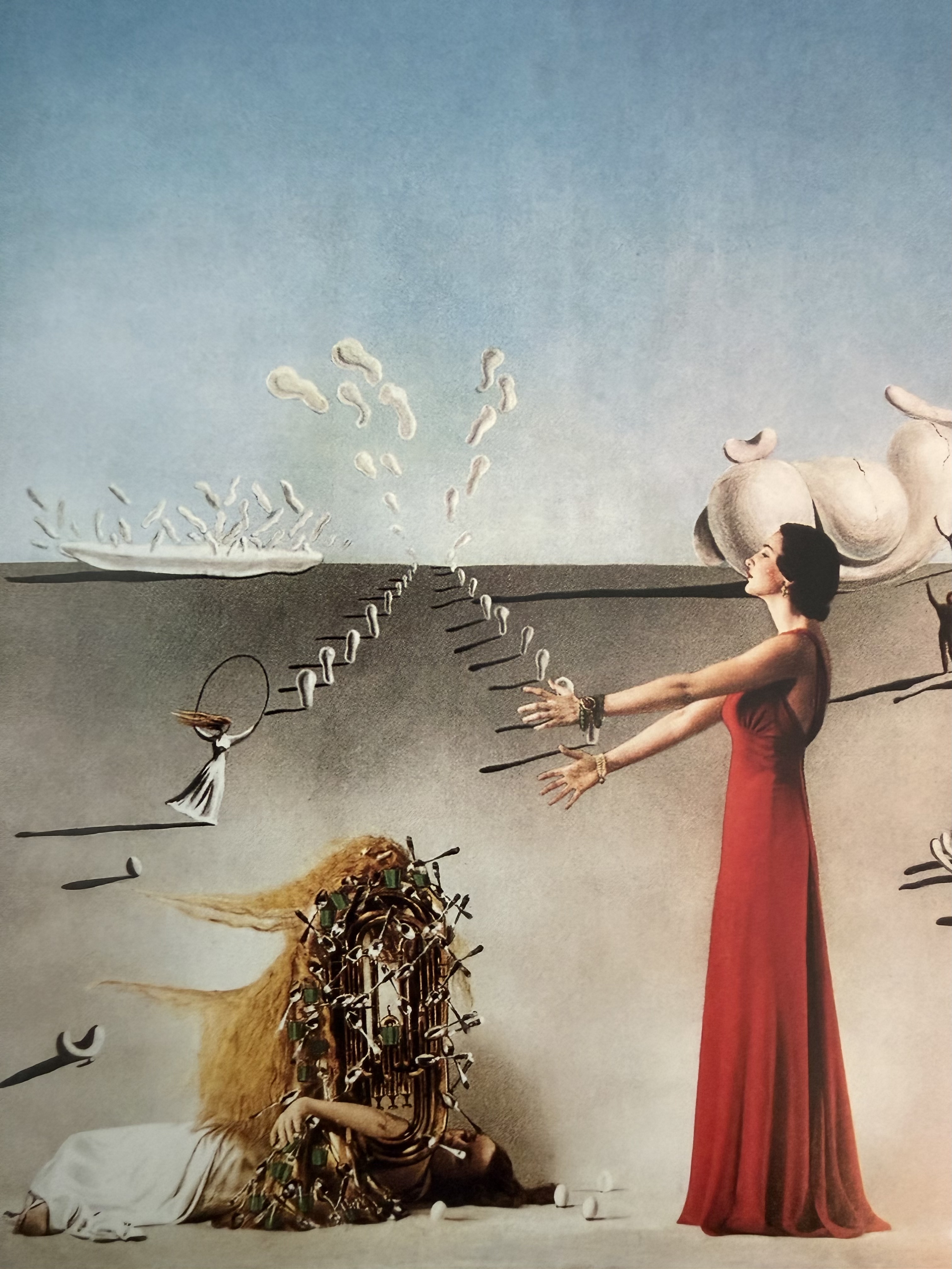
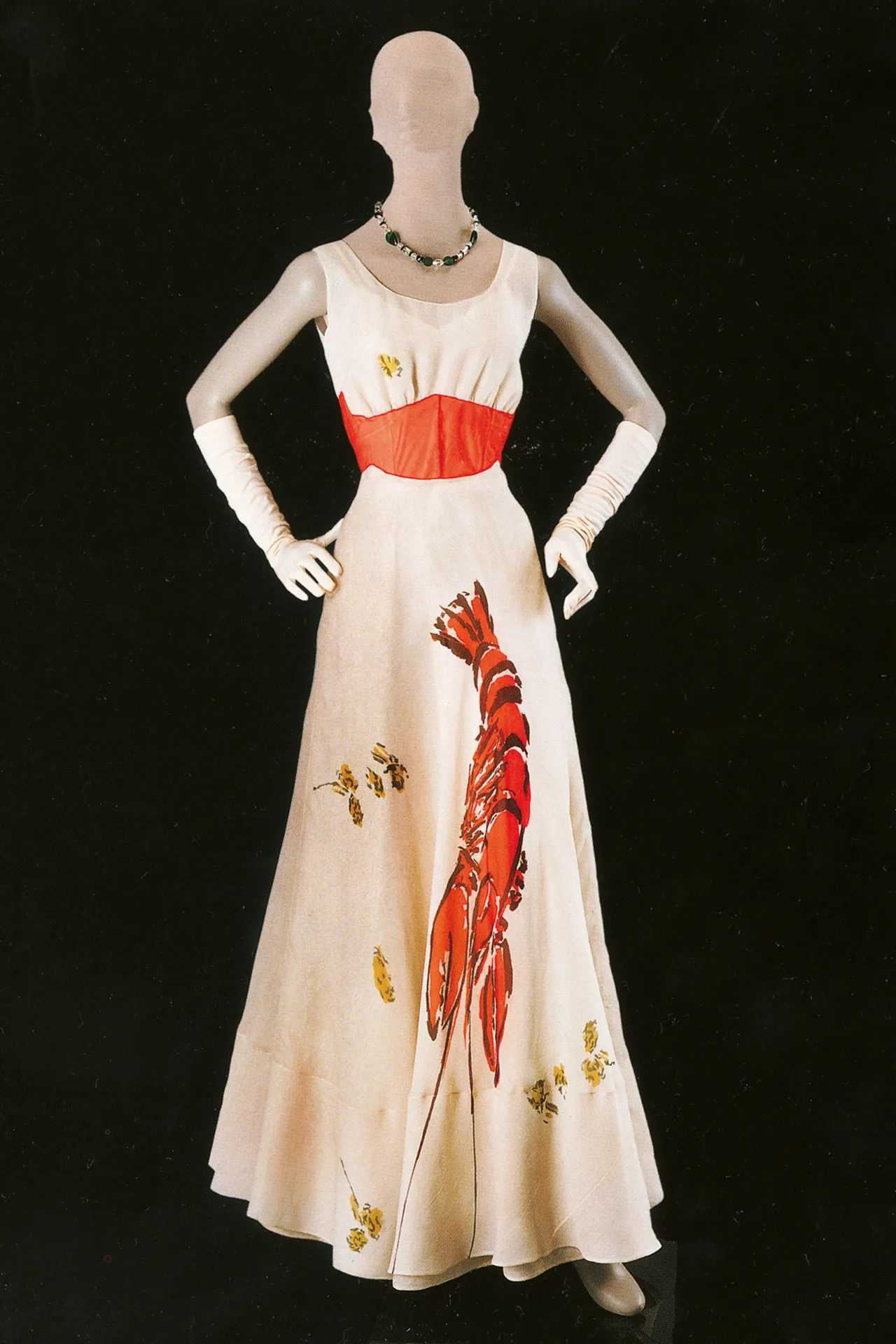
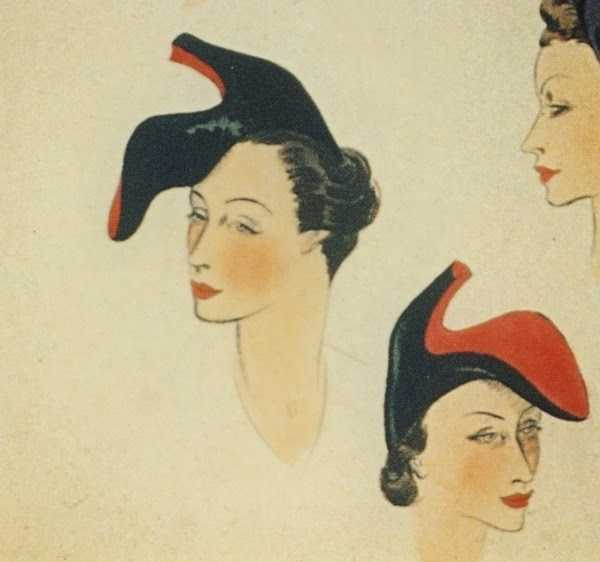
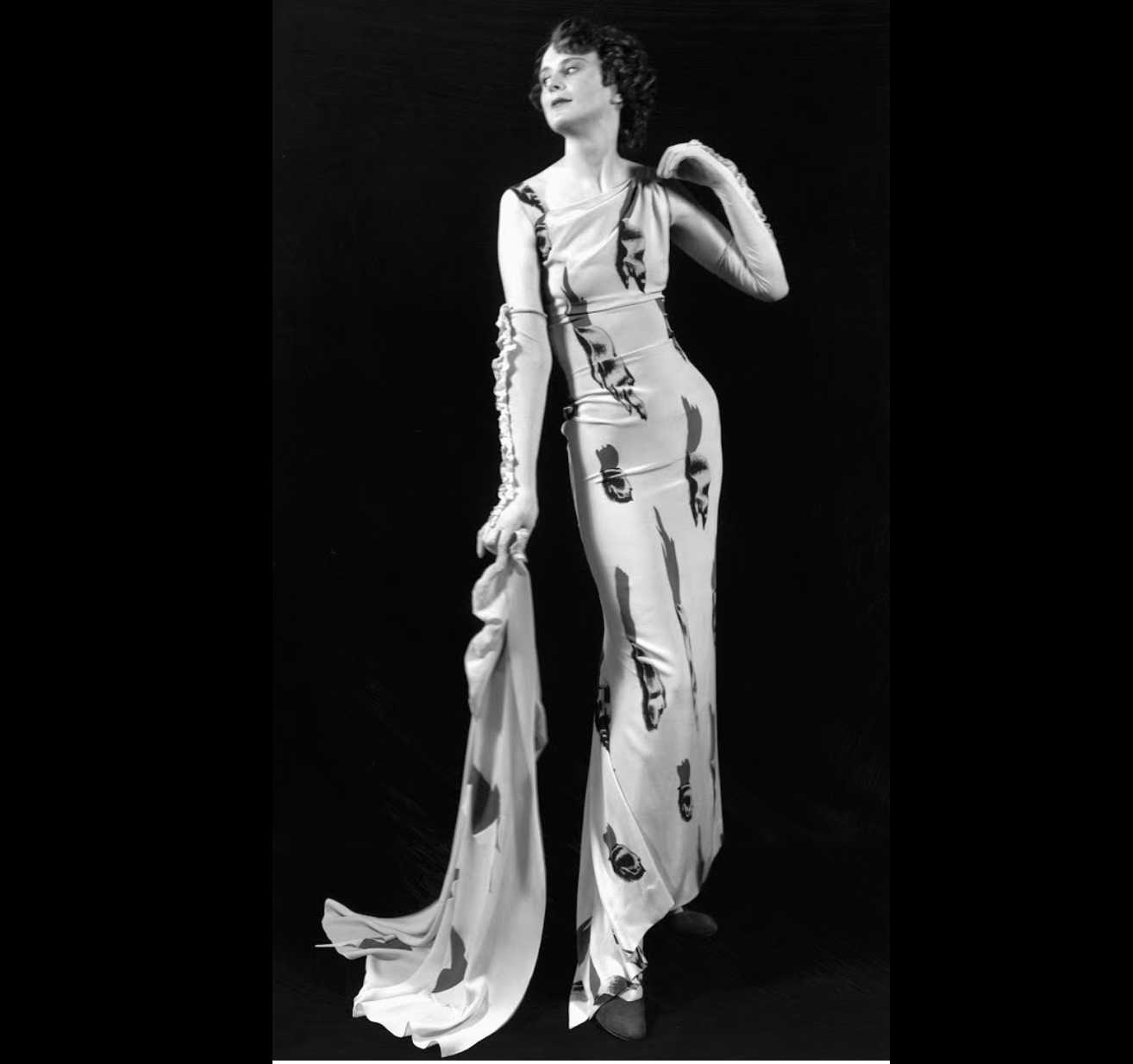
I am always impressed with creative people who master their craft and spill their genius across domains. Take Salvador Dalí. I am sure you know he could melt a clock and put fine paint on canvas, but he could also contribute to fashion and magazine covers. The first image below is one that Dalí created for American Vogue in 1937, titled “A Dream About an Evening Dress.” The dress is recognizable and elegant, but the world around it is as surreal as the trend he helped to set. During the 1930s, Dalí collaborated with fashion designer Elsa Schiaparelli on different fabrics and accessories, and together, they created a dress bearing an enormous lobster (see picture 2), a hat shaped like a shoe (see picture 3), and fabric that appeared to be torn (see picture 4).
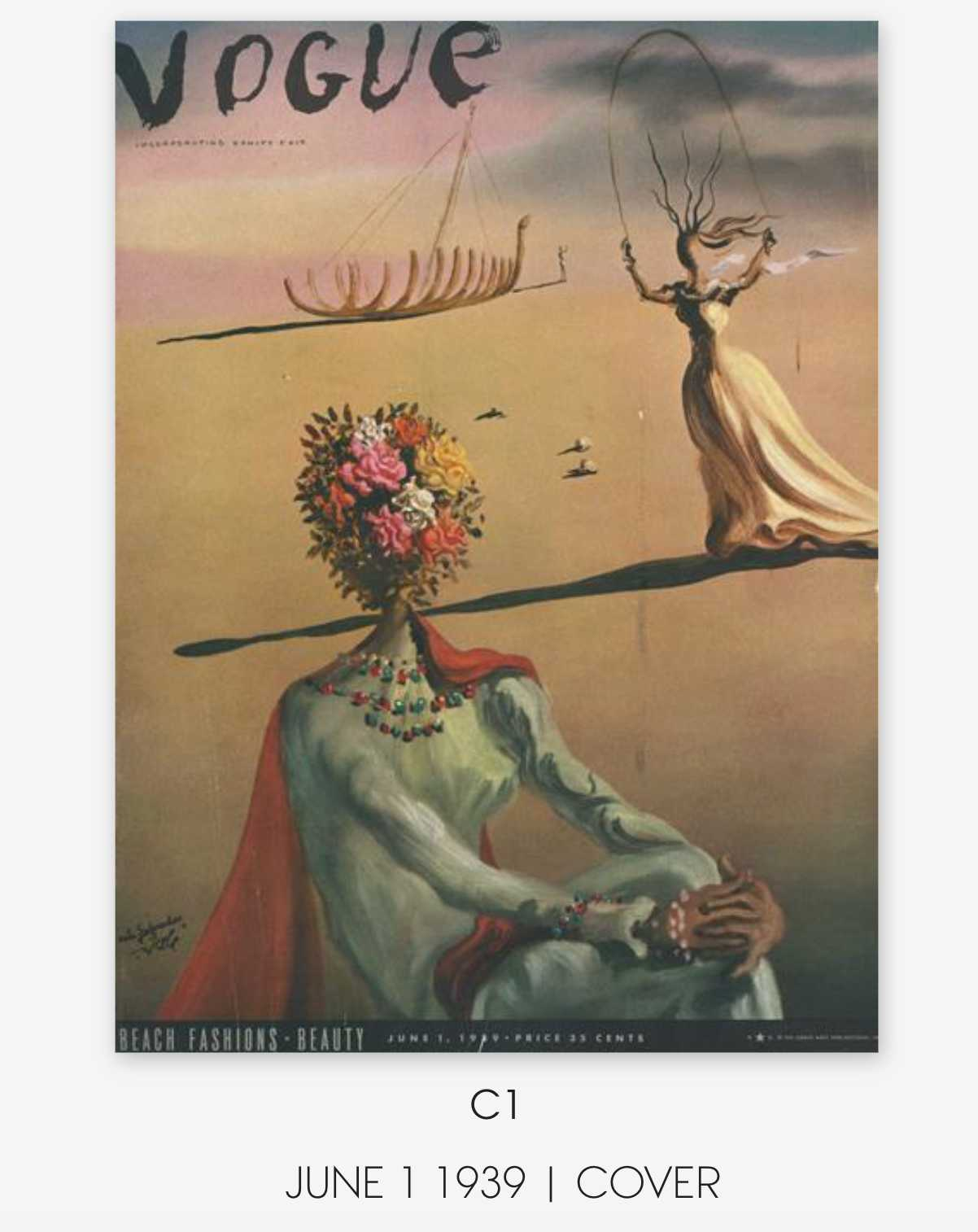
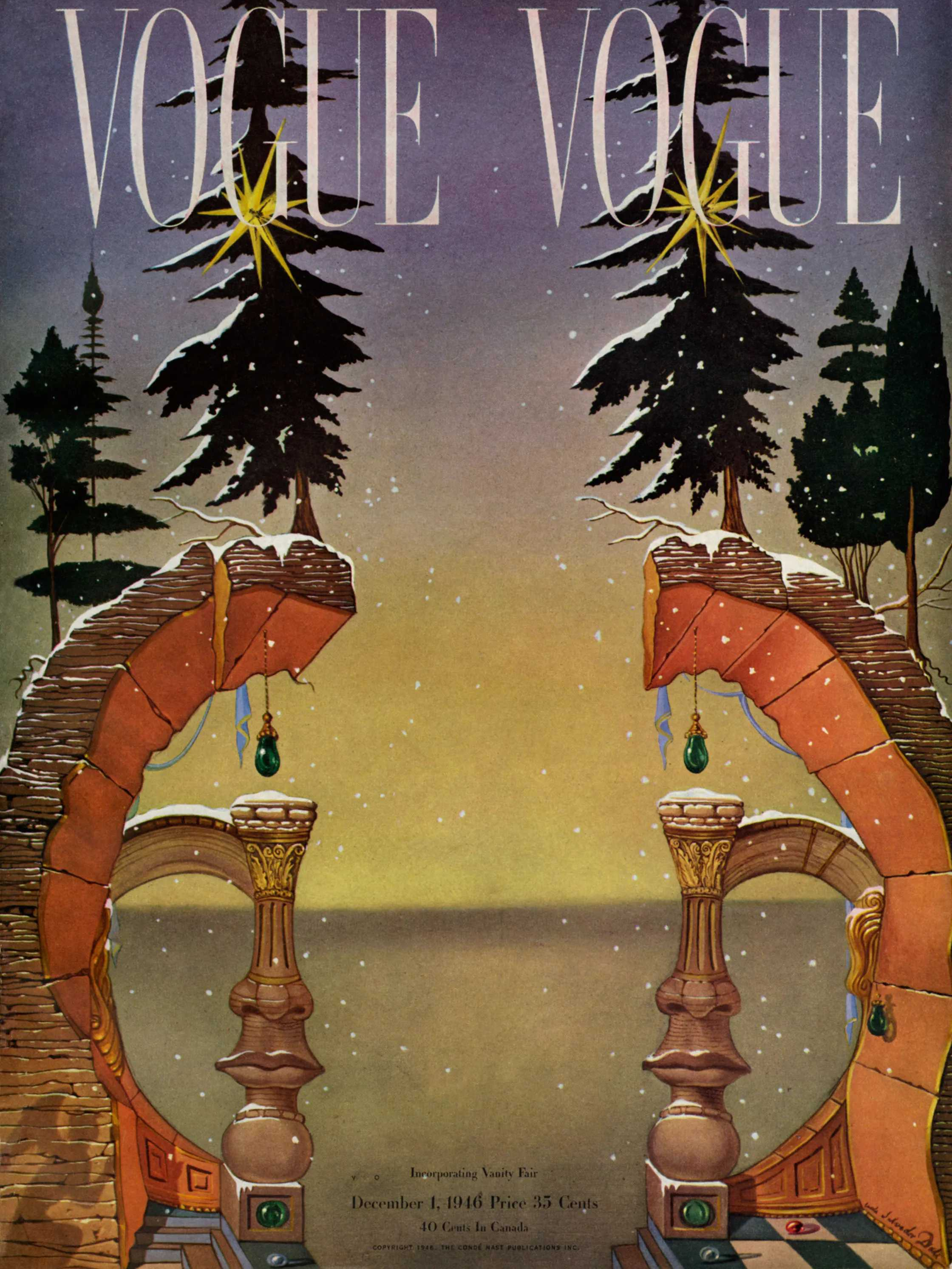
As Dalí's popularity exploded, he moved from creating internal illustrations to painting fully realized, standalone covers for American Vogue (see the rest of the images). This can teach anyone in the business of persuasion and communicating messages at least three things: 1) choose a few non-negotiables for your craft. For Dali, regardless of the medium (these days, you might talk about his omnichannel), a few things kept recurring and reinforcing his style: crutches, melting elements, and landscape horizons.
As a second guideline... if you are including some disruption in your communication materials or style (much like Dalí and Schiaparelli did by placing a bold lobster on a white silk dress), consider giving people the option to read what’s behind the disruption. For example, when Dalí's surreal landscapes appeared in Vogue (see the cover from June 1st, 1939), it was paired with a brief, highly evocative poetic description: “Symbols by Salvador Dalí, the fantastic surrealist: flowers for the beauty of women, a skipping figure for the remembrance of her childhood, a skeleton ship for the sadness of things past.”
And 3) Know the boundaries of your disruption. In some ways, I was not surprised that Dalí suggested putting real mayonnaise on the lobster dress, but Schiaparelli refused so she could protect the luxury and integrity of the silk. User experience and usability should still be important factors in creative domains.