





How to become memorable
Science & Tech • Business • Writing
You will learn guidelines on how to become memorable to your business or personal audiences by using brain science. This is important because people in your life will make decisions in your favor based on what they remember, not on what they forget. To get others to do what you want, they must remember what you want. I am a cognitive neuroscientist and am looking forward to sharing practical results from my neuroscience research that will help you stay on people's minds.
Interested? Want to learn more about the community?

Learn more first
The visual unfold

I really like this progression of slides we built for a client (you can click through the images to experience it). First, you see the empty canvas and then the transformation from an empty space to a fully realized idea.

Next time you’re visualizing some business content, instead of presenting the final idea all at once, use a progressive reveal, showing a transition from blank to vivid. Your viewers will be naturally curious to see what comes next.

Interested? Want to learn more about the community?

Learn more first
What else you may like…
Videos
Posts
Articles
The biology of delegation

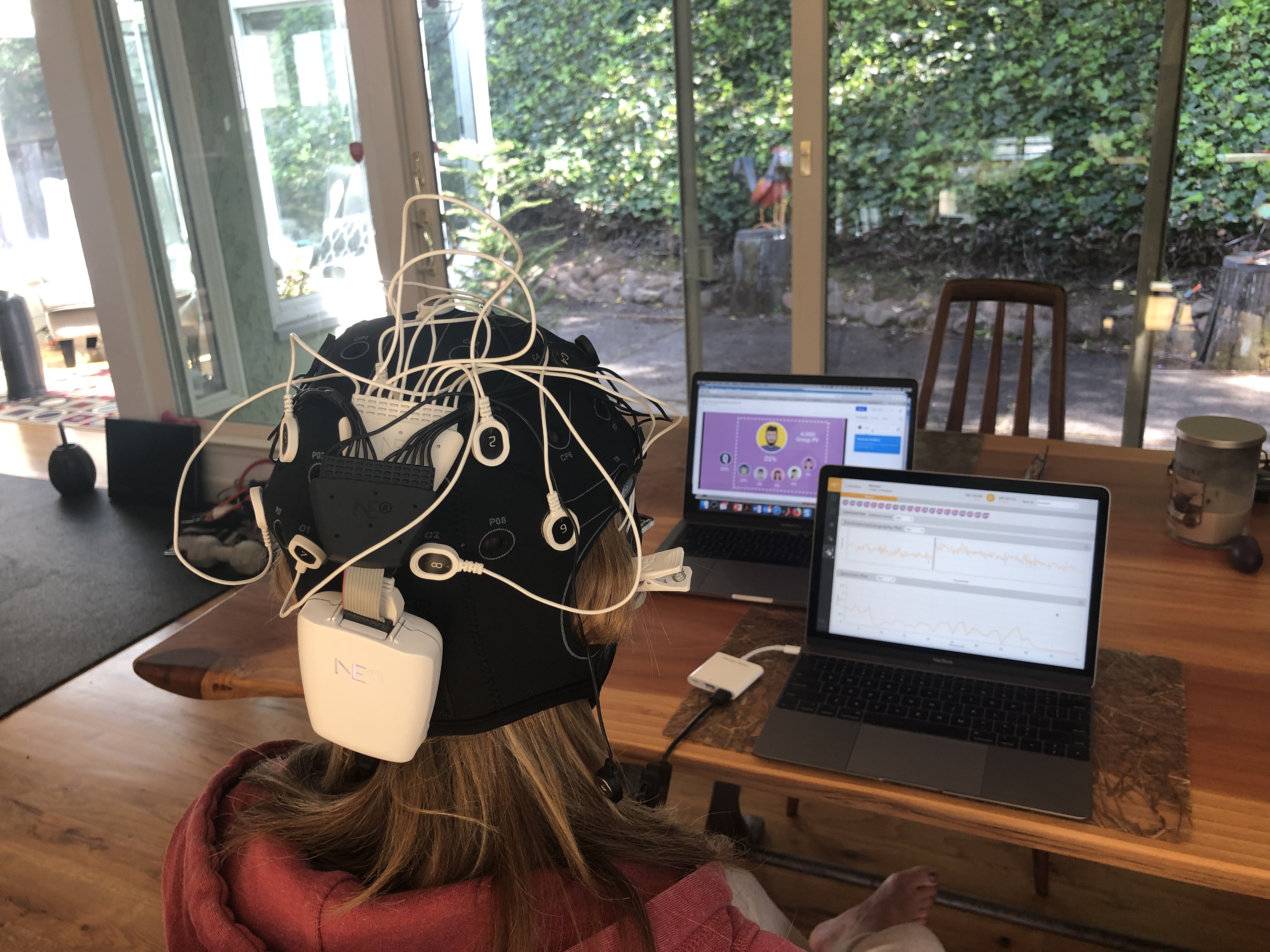
I am currently conducting a neuroscience study to capture how the brain interacts with AI tools. Participants complete several simulations where they are either the seller or the buyer in a commercial conversation. The study is global and assumes participants speak English while interacting with an AI avatar. This person in Tokyo was super smart and eager to contribute but did not speak English. However, he had a great idea: we trained his AI agent to talk to the AI buyer. I felt like I was witnessing the new era of the future of work, watching an AI seller talk to an AI buyer as the human stays in the loop. A good lesson for all of us: agency does not always look like doing everything yourself. Sometimes it looks like recognizing your limits and finding the right support and a way to accomplish something despite a constraint. In the future, the ability to orchestrate tools may become part of how we are evaluated by others.

00:00:37
Leave room for real

If you have 4 minutes and 7 seconds, you will learn a lot from Karolína Muchová’s speech at Wimbledon today. She played against Linda Nosková, a friend and compatriot, and had to speak within minutes of losing the match, in a second language, without any notes, while visibly overwhelmed. All this makes her speech even more remarkable. Of course, in these contexts, there is a typical structure for the “presentation”: congratulate the opponent, thank the tournament staff, acknowledge the crowd and team, then look ahead. This prepared flow enables you to free up enough working memory so that, in the moment, you can bring in spontaneous honesty and lived moments. This is how she could release tension with a little joke (“Linda, my ex-friend”) and have enough energy to cry, recover, cry again when connecting with people in her corner, and finish strong. Structure can hold you steady enough for something real to come through.

00:04:07
What if they remember nothing?

This video in an excerpt from an answer to a memory quiz I had sent participants after a neuroscience study, where I was looking to see how the brain reacts to a presentation about a software application that was intended to help customers find faster insights in their data. As you can see, the person remembers nothing from a particular slide that was supposed to be revealing for the value proposition. And most participants were similar.

This is humbling because, when we create content, we often assume that the “reveal” slide, the value proposition slide, the “aha” slide will naturally stick. And sometimes, the slide that matters most is often the one people remember least. To counteract this, consider distinctiveness, emotion, repetition, personal meaning...because what is important to you might not be memorable to them.

00:00:17
Specificity reveals attitude

Recently, we were helping a British client develop a presentation about the compromises required in his industry. He used a small historical curiosity to introduce the idea that you sometimes have to compromise with customers and partners: UTC. In English, “Coordinated Universal Time” would naturally become CUT. In French, “Temps universel coordonné” would become TUC. In 1970, the international group responsible wanted one abbreviation that could be used across languages without favoring either side, so they selected UTC, which belonged to neither. So, version 1 of the slide showed this concept with the two hands below, with subtle national symbols. We could easily have stopped there, but felt that the slide did not have any emotion around the concept. So...

We replaced the hands with two characters (scroll to see version 2). At least now, the audience could recognize the two sides faster, and the slide had a bit more attitude. We could have stopped there too. But we asked ...

Look beside the thing you're studying

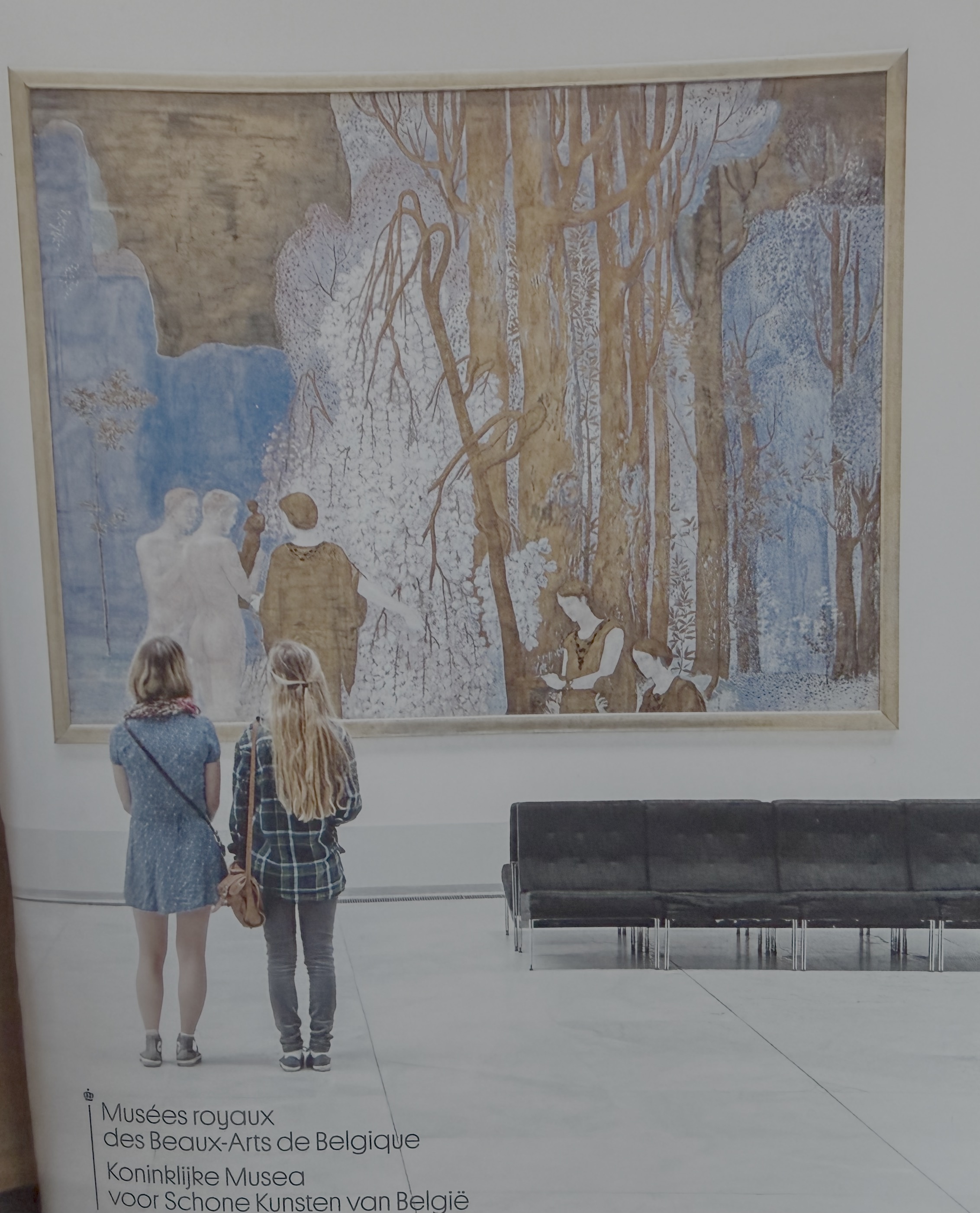
I went to an exhibition on photographic art that announced its main theme as Tomorrow’s Dining Table, a theme centered on food. However, many of the pictures (these two included; scroll to see the other one) did not show anyone eating.

In this one, we have the adorable barefoot child holding shoes, and in the other, there is the bohemian goat sleeping near the water... This got my attention because the curators appear to be treating food as a system of relationships (think of routines, animals, environments, and the ways people share their lives) rather than just something on a plate. This could be a strong lesson for all of us in communication: the most revealing evidence about a subject may lie just outside the subject itself.

For example, since AI is such a popular topic, it could be that if you want to understand how people use AI, you don’t examine only the interaction with AI. Watch what they do immediately before it, afterward, or which older tools they return to.

Using insights

I was presenting a session on the merit of insights, and the reminder that one can use insights as a differentiator is a useful technique in business, especially in overly competitive fields. Easier said than done, though, because insights are not easy to uncover. Some people pass off raw data or observations as insights. Consider this dimension of a true insight (and a memorable one): cause and effect. When you reflect on your own content and are getting ready to share an insight, ask this: am I showing that X causes Y (in a way that is visible and testable)? If you are, then you're on your way to insights and differentiation.

post photo preview
The storyboard advantage
From ideas to engagement

When creating a presentation, it's tempting to think of it as a finished product—a sequence of static images combined with text locked in place. But the most effective presentations are not just static layouts; they're experiences that unfold. Here is an example from a presentation where we wanted to demonstrate the importance of creating an immersive experience in architecture/construction. 

Only for Supporters
To read the rest of this article and access other paid content, you must be a supporter
Read full Article
From generic to genuine
Reducing cognitive friction in business presentations

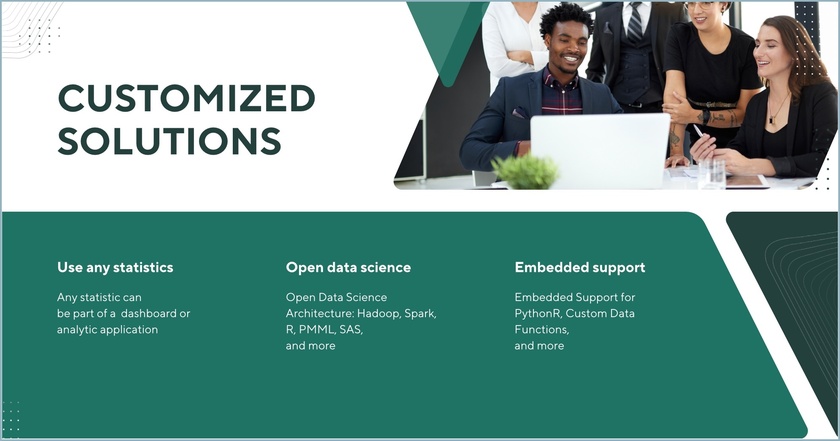
I am noticing that businesses often promise their customers personalized services as a means of differentiation. We offer “tailored solutions,” “customized experiences,” or we “focus on what matters most to you”…. they typically say. Yet, these promises are packaged in standardized presentations filled with generic stock photos. You must have seen slides like the one below many times: Images of generic meetings, people at laptops, or happy people looking at phones. Despite the claim of a “tailored approach,” the content feels like it could belong to any brand.

This conflict between the promise of personalization and templatized design creates cognitive friction for the viewer, who unconsciously senses a disconnect between the message of uniqueness and the impersonal images they’re seeing. Cognitive friction occurs when an audience encounters content that feels out of sync with the promised message. The brain, always searching for coherence, struggles to reconcile this gap, making the message less memorable and even eroding trust.

There are several ways to fix this, but here are three. Use images and compositions that help your audience envision:

  1. The experience they will have while working with you
  2. The process they will complete to achieve business results and/or
  3. Outcomes they are seeking

The following slides are from a sales presentation we designed for a platform used in predictive and prescriptive analytics. Each slide exemplifies one of the guidelines above.

Visualizing experiences

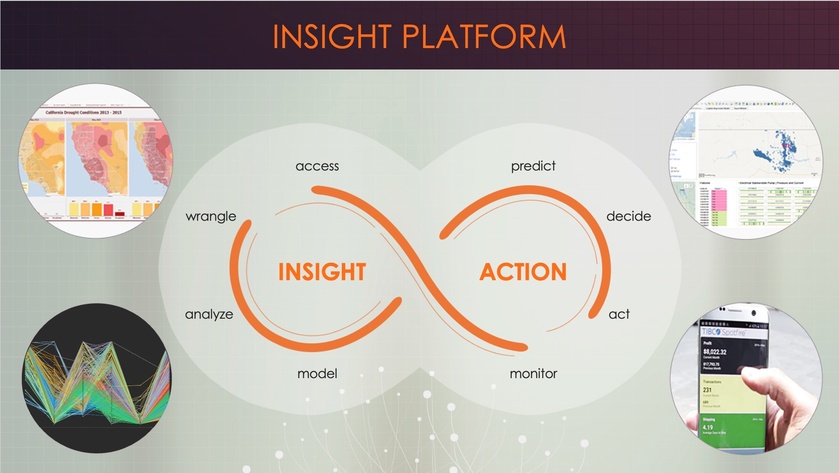
Using this slide, the vendor visualizes a proposed journey and explains to his customers how they can oscillate between action and insight by using various software capabilities. The screenshots are from the real application; they are not stock photos.


Visualizing process

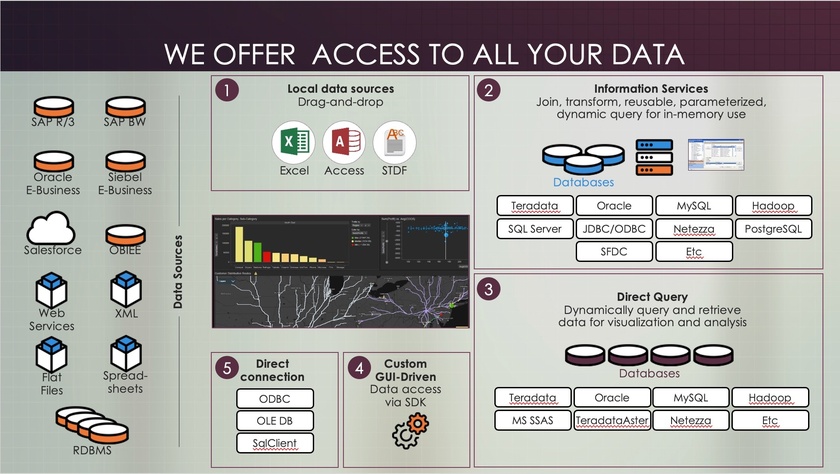
These segments are displayed gradually (note how some are numbered) to explain how the process of working with the vendor and the software will unfold. This step-by-step breakdown gives a concrete sense of how collaboration happens in real life.


Visualizing outcomes

This slide is presented multiple times to remind customers why this vendor’s solution is useful. Displaying expected results reinforces the value that a solution can bring.

Throughout these examples, notice the absence of overly staged smiles and generic stock photos—the kind that make presentations feel interchangeable, standard, and impersonal.

By anchoring your message in authentic experiences, clear processes, and real outcomes, you’re aligning your content with the brain’s natural drive for coherence. This approach reduces cognitive friction and reinforces the trust you’ve promised through personalization. The result? A presentation that feels unique, credible, and memorable—one that embodies the tailored experience you’ve promised.

Read full Article
Tea, trust, and thinking
Using slow moments to connect with an audience

In one of my neuroscience studies, I decided to compare the brain's response to a business video meant to intrigue buyers with an app versus... well, a video of tea brewing. As you can see below, nothing but tea leaves slowly steeping. I thought, 'This is going to be the ultimate snooze test.' But to my surprise, people weren’t bored! On the contrary, they enjoyed the moment and remembered it later. I suspect one of the reasons is because of a process called reflexive thinking.

Reflexive thinking is a kind of mental space where, when there isn’t much happening on screen, our brains start filling in the blanks. We reflect on our own thoughts, make connections, or dig into personal insights. This state doesn’t just hold attention—it encourages better memory and even creativity.

Of course, the surprising results might also be due to anticipation. Even with slow visuals, the brain stays alert, waiting for the unexpected. Maybe something surprising will emerge from the cup? This quiet anticipation keeps viewers engaged on a subtle level, almost as if they’re playing a mental game with the content.

The brain thrives on the unseen edges of a moment, where thought meets possibility.

So, how can you use this in your own content, even if you’re not a designer?

  • Use gentle transitions: Instead of sharp cuts or rapid slides, try slow fades. They subtly signal the brain to slow down, encouraging a deeper mental pause.
  • Create a few minimalist moments: Include a slide with just one word or a blank pause with a simple background. This "mental whitespace" gives viewers time to digest what came before, making it effective even in tech-heavy presentations (as long as it's kept to a minimum).
  • Slow down the summary: Consider using a reflective tone to signal a shift from information delivery to introspection. This change in pace cues your audience that it’s time to absorb and reflect on what they’ve learned, reinforcing their memory of the content as they mentally summarize it themselves.

Sometimes, the mind finds depth not in speed but in the silent pull of what might come next.

Read full Article
Available on mobile and TV devices
google store google store app store app store
google store google store app tv store app tv store amazon store amazon store roku store roku store
Powered by Locals