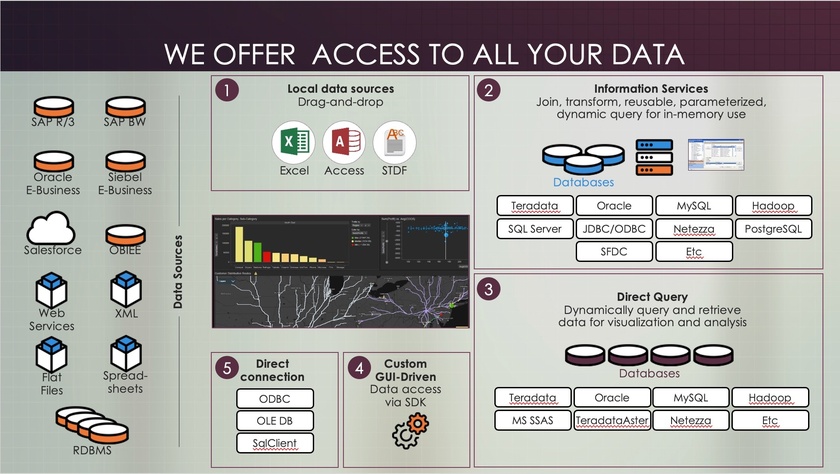


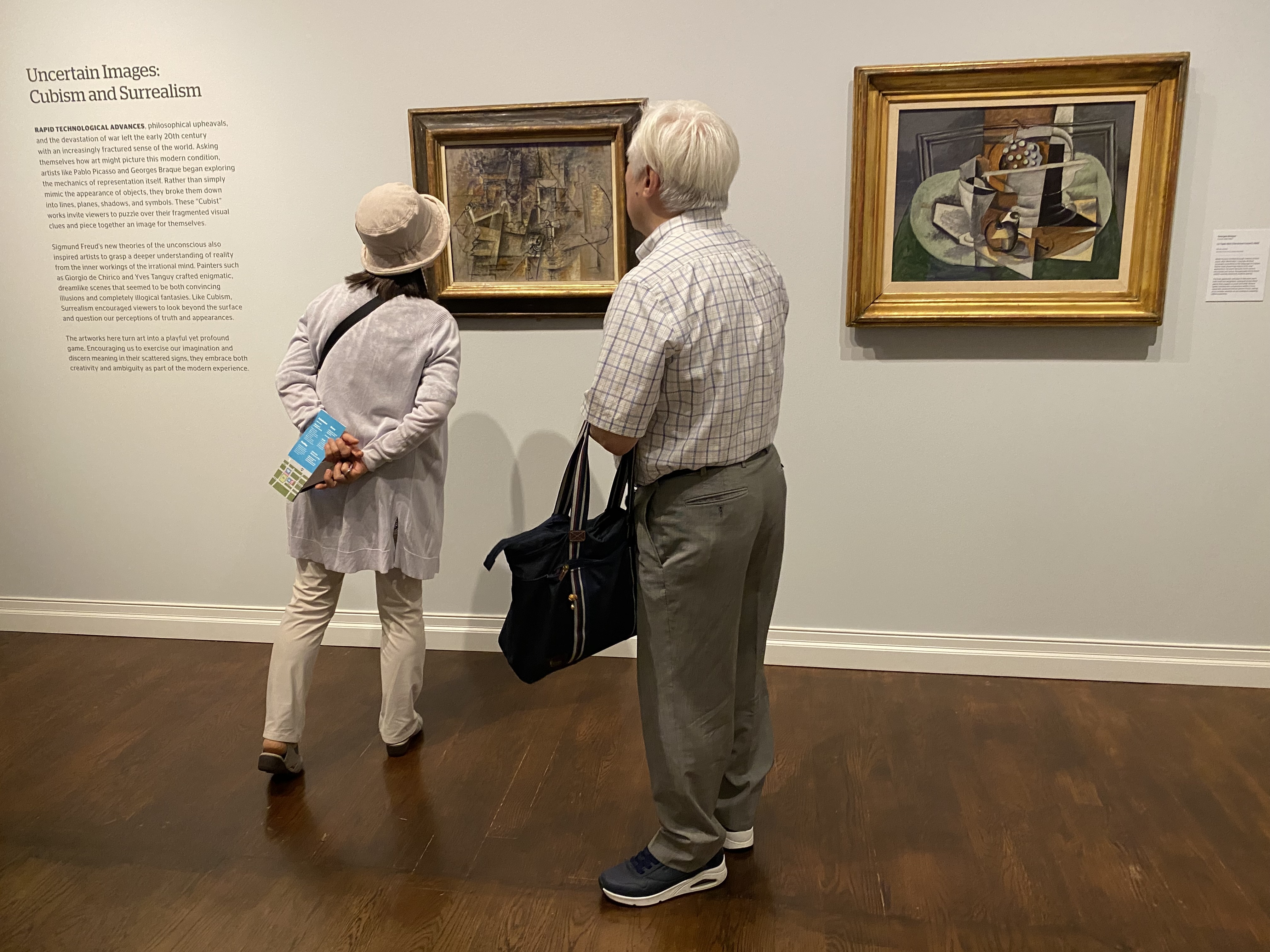
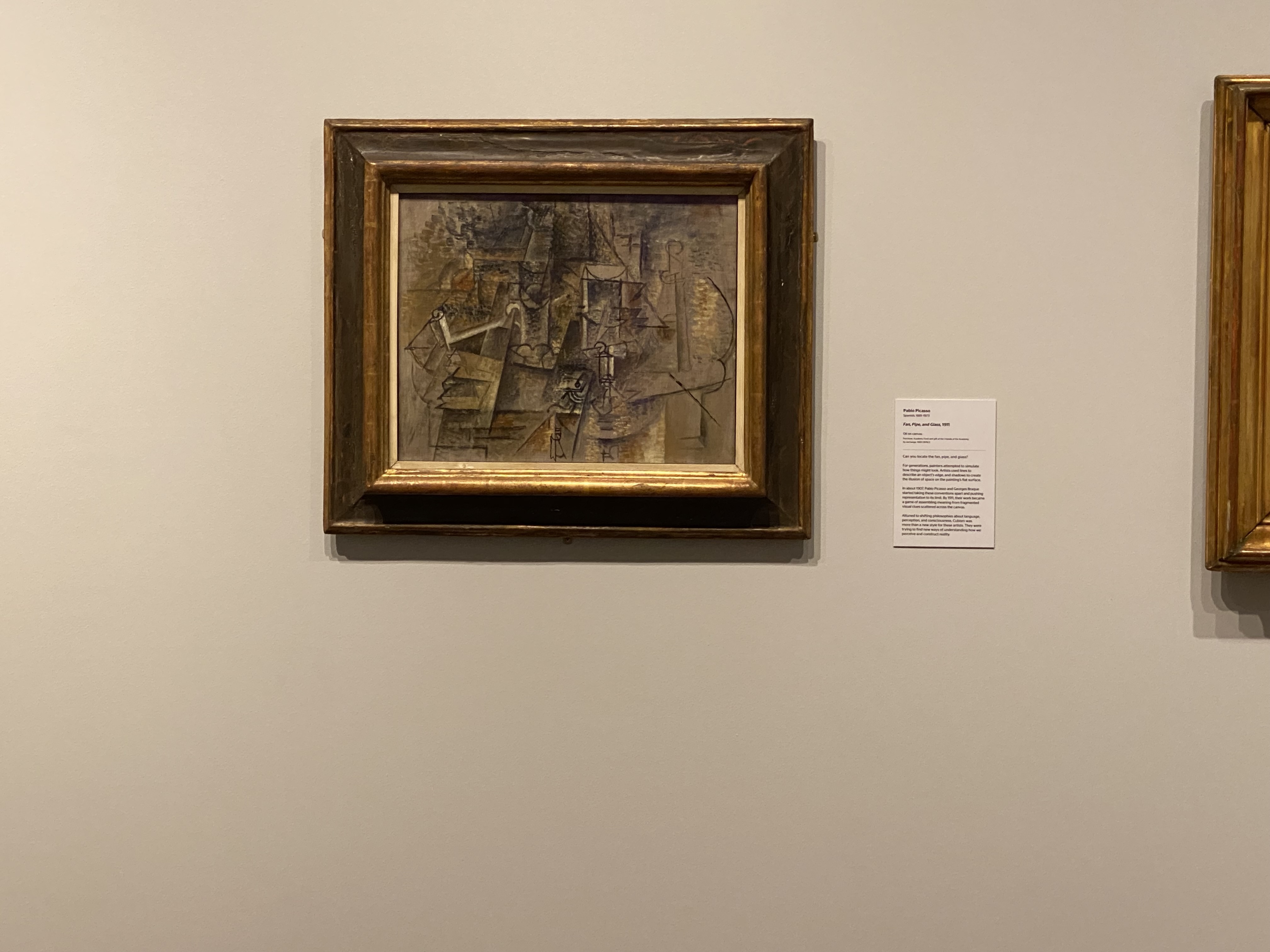
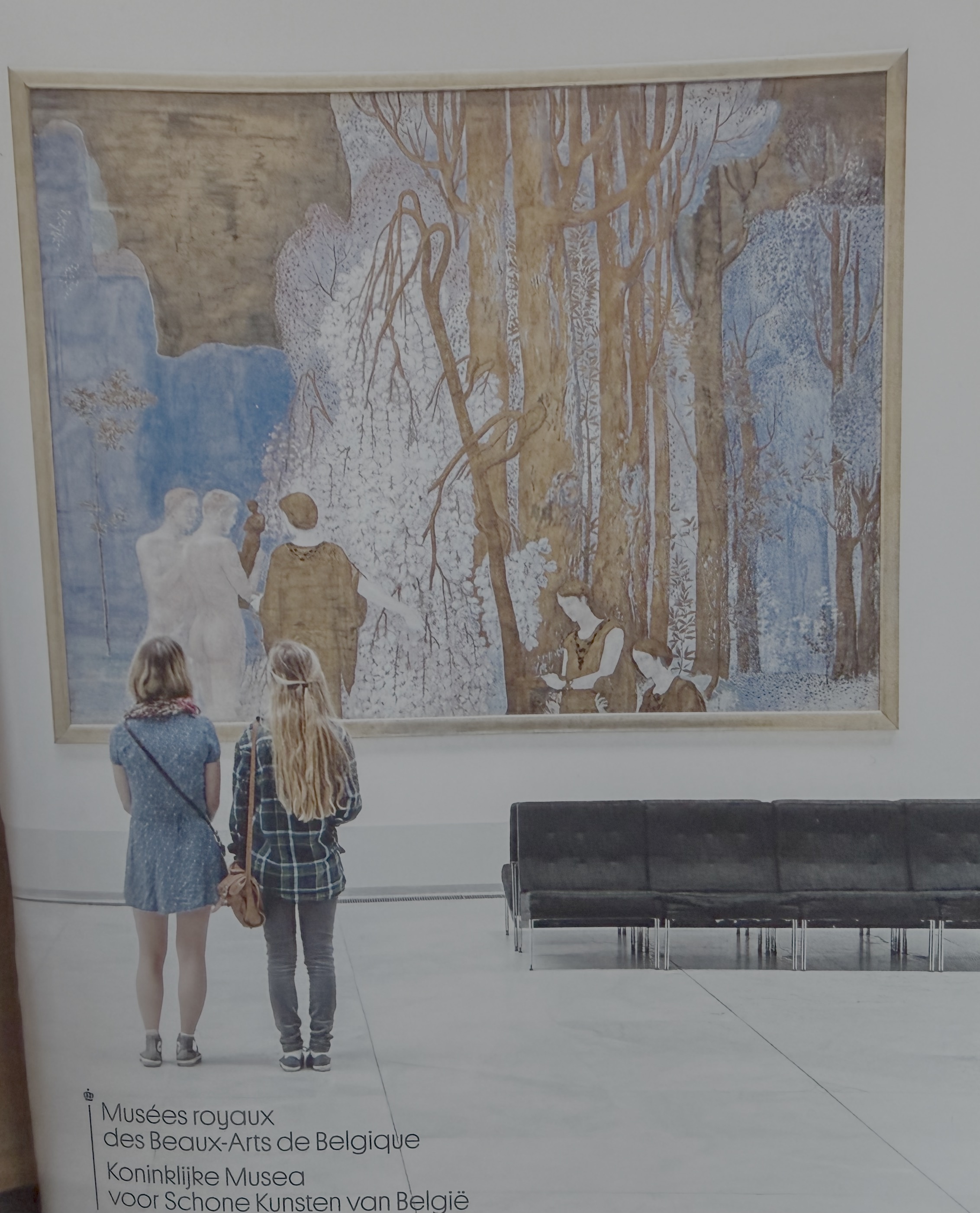



When creating a presentation, it's tempting to think of it as a finished product—a sequence of static images combined with text locked in place. But the most effective presentations are not just static layouts; they're experiences that unfold. Here is an example from a presentation where we wanted to demonstrate the importance of creating an immersive experience in architecture/construction.
Only for Supporters
To read the rest of this article and access other paid content, you must be a supporter