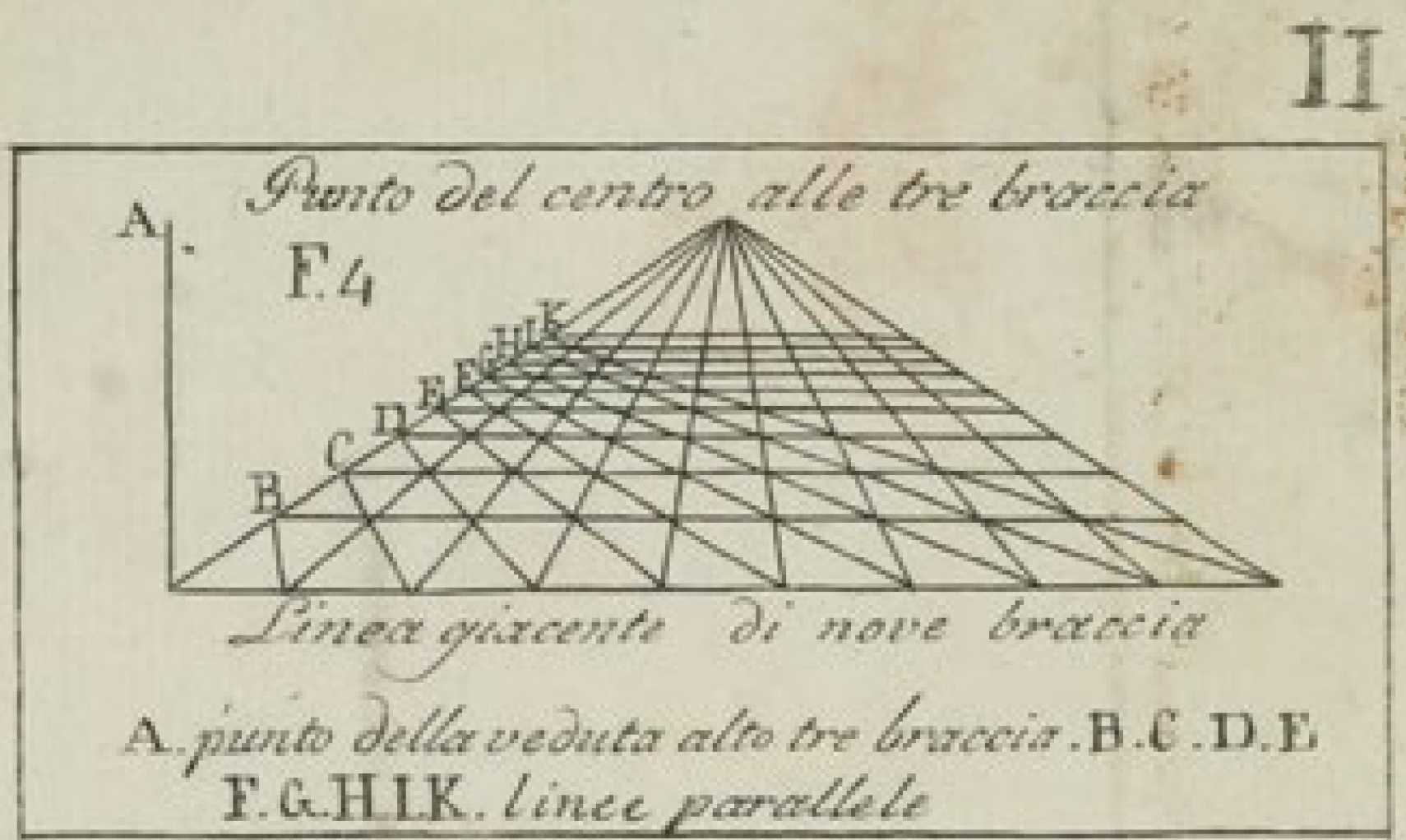
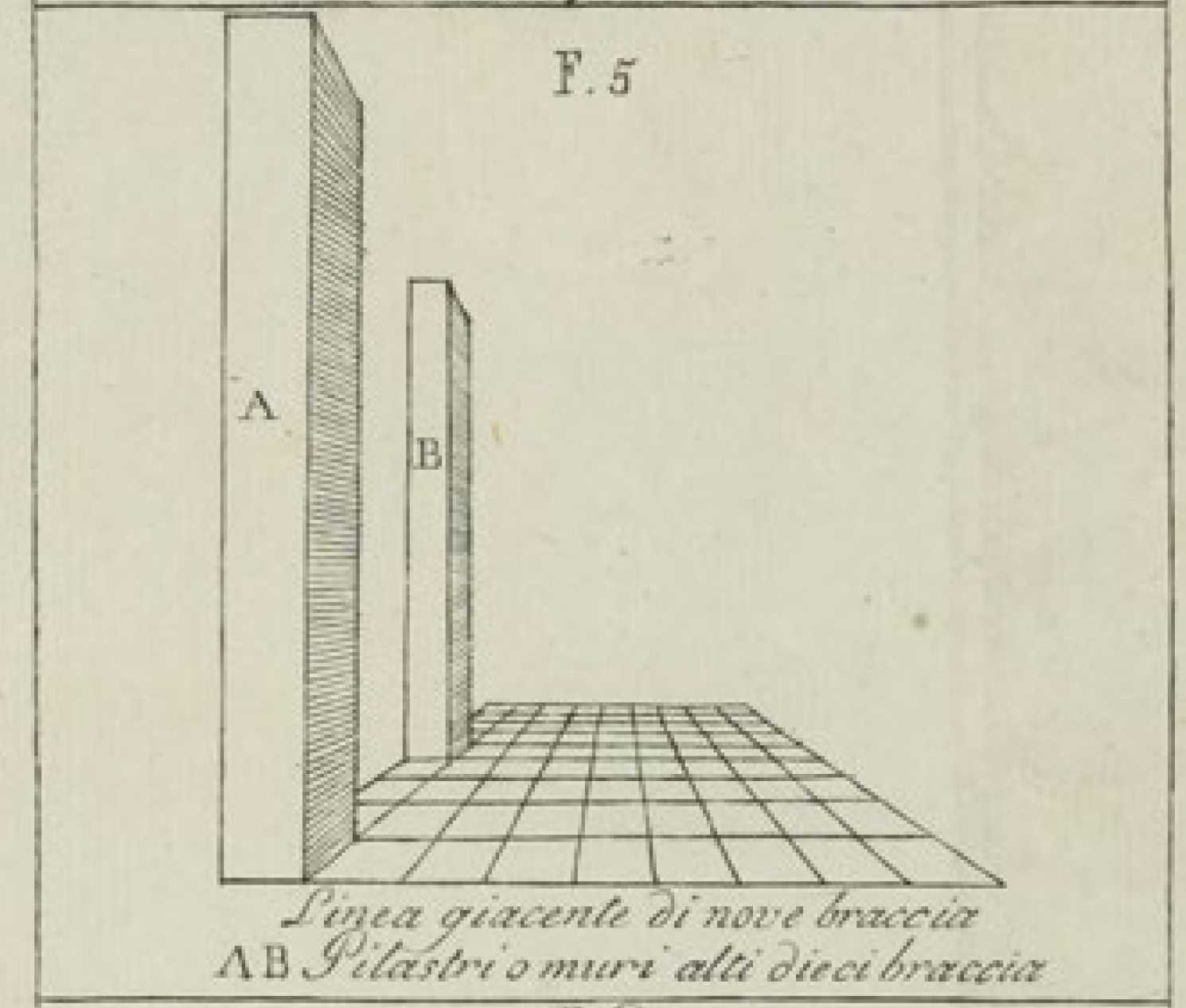
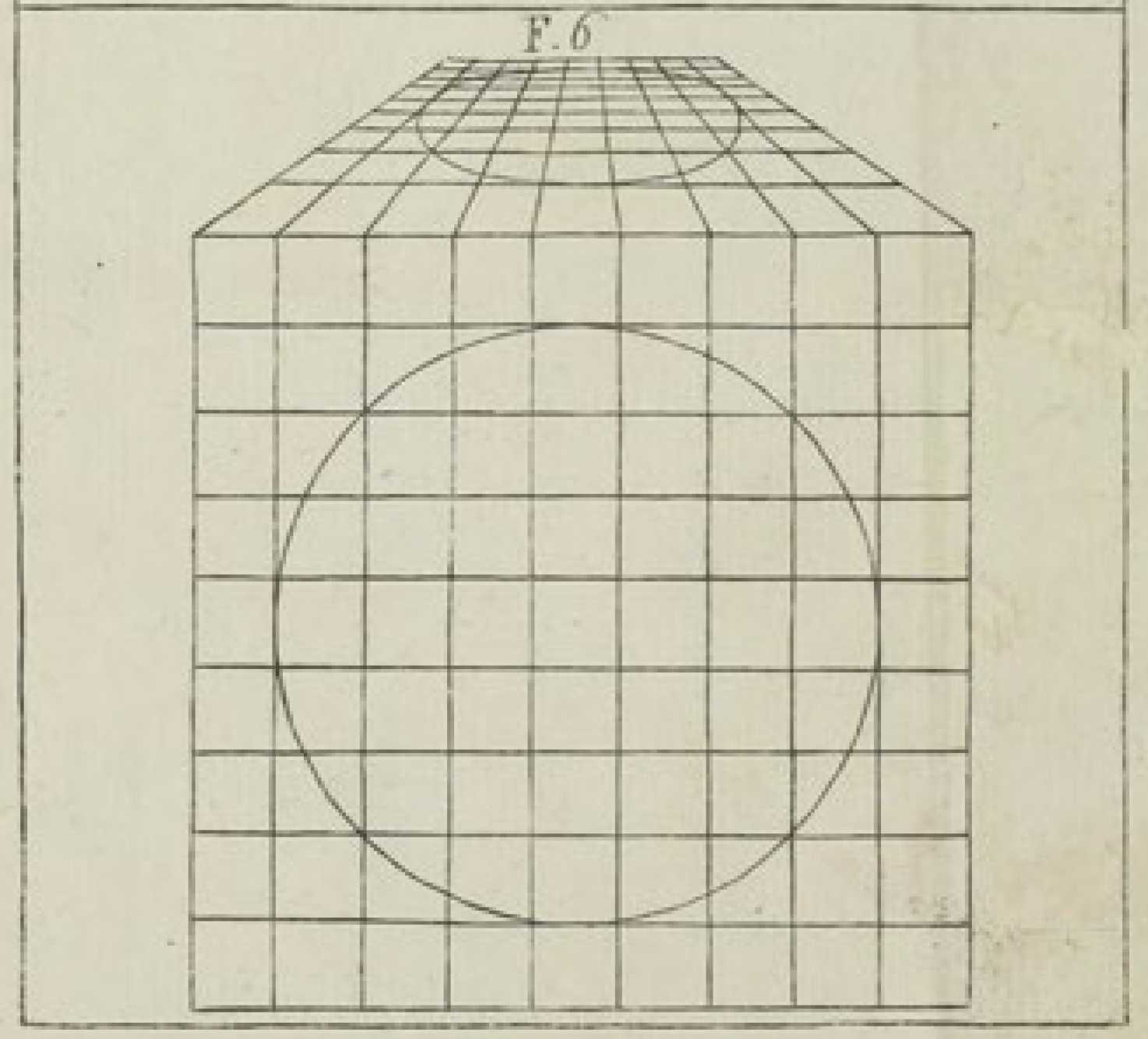
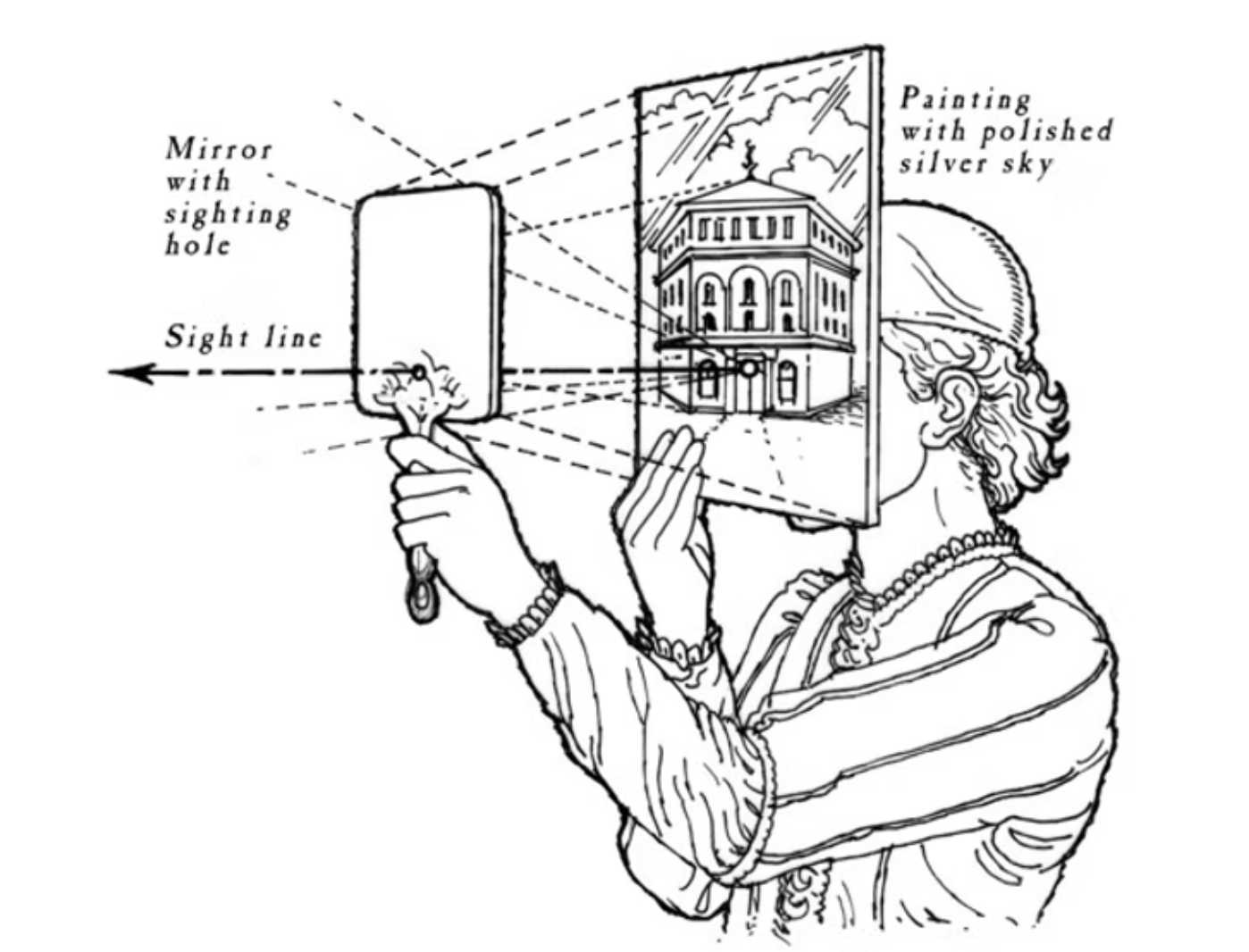
Hundreds of years ago, when painters wanted to add depth to a flat surface, they figured out that they could create the illusion of depth by drawing a line parallel to the horizon and then painting linear objects that appear to converge toward it. When they did it properly, they created works that you could walk into and travel somewhere far away. But could other painters apply this technique systematically, and “at scale,” as business people would say today? Around 1420, Filippo Brunelleschi demonstrated that geometry could make a flat panel match a real view with precision. In 1435, Leon Battista Alberti described a repeatable method: establish the viewer’s eye level, choose a central point, divide the foreground and make the intervals recede according to a rule.
Scroll through the images below to see Alberti’s diagrams. When I saw them recently during an art course, they made me think about how we could learn a lesson in...learning. I notice that experts often show people a polished result and then ask them to produce something similar. Imagine a proposal or a presentation or an analysis shared by an expert, who assumes you can work backward to produce something similar. You can appreciate the quality of the finished “picture” but not how experts got to that picture. Novices could benefit from “grids,” or seeing several intermediate steps before they see the finished product. As they become more capable, the guidance can be removed.
So, if you’re in the position to teach someone something, try this sequence: show the finished result, reveal the “grid” underneath it, let people practice with the grid and then take it away.